A beautiful property, great amenities, and strong demand mean very little if local regulations prevent you from operating legally. Across the United States, cities are building their own frameworks for short-term rentals, and hosts who ignore them often find out the hard way — through complaints, fines, or a permit denial after they’ve already invested real money.
Understanding short term rental regulations by cities isn’t optional anymore for Airbnb operators. Whether you’re managing a vacation home, building a co-hosting business, or exploring rental arbitrage, local compliance directly affects profitability, occupancy, and long-term stability.
A quick but important note: regulations covered in this guide are general and change frequently — sometimes within months. Nothing here should be treated as legal advice. Always confirm current rules directly with the relevant city or county office, or consult a local real estate attorney, before making an investment or accepting your first booking.
The challenge is that airbnb local laws and regulations differ dramatically from one market to another. A strategy that works perfectly in Texas may fail in New York. A property that qualifies for short-term rentals in one neighborhood may be restricted only a few miles away because of vacation rental zoning laws or a homeowner association policy.
This guide covers the foundations every host should understand, common short term rental permit requirements, and an overview of how major U.S. cities approach regulation — so you can research smarter before committing time and money to a property.
Why Local Regulations Matter More Than Pricing Strategy
Most new hosts spend weeks researching furniture packages, dynamic pricing software, and guest amenities. Far fewer spend real time understanding local regulations — and that imbalance creates expensive mistakes.
Cities introduce short-term rental rules to protect residential neighborhoods, manage housing supply concerns, collect lodging taxes, control noise and parking issues, establish safety standards, and limit commercial activity in certain zones.
For hosts, these regulations shape far more than legality — they affect revenue potential, occupancy rates, financing opportunities, insurance requirements, property values, and exit strategies. Two nearly identical homes ten minutes apart can have wildly different earning potential simply because one sits in a more favorable regulatory environment. Experienced investors increasingly evaluate regulations before they analyze nightly rates.
The Four Layers of Airbnb Rules Every Host Must Check
Many operators make the mistake of checking only city websites. In reality, short-term rental businesses often operate under multiple overlapping systems.
City ordinances usually establish permit requirements, occupancy limits, noise regulations, tax obligations, safety standards, and registration procedures — the foundation of legal operation.
County requirements sometimes add further restrictions on top of city rules. This matters especially in places like California, where san diego county short term rental regulations may differ from the rules inside individual cities. Never assume county and city policies automatically line up.
HOA restrictions frequently go further than local government rules — complete short-term rental bans, minimum stay requirements, parking limitations, guest registration procedures, and amenity restrictions all show up regularly in HOA documents. Ignoring these can create costly disputes regardless of what the city itself allows.
State-level requirements often influence lodging taxes, business registrations, insurance requirements, consumer protection obligations, and health and safety standards.
Successful hosts check all four layers before launching, not just the one that’s easiest to Google.
Understanding Short Term Rental Permit Requirements
There’s no universal American system here — short term rental permit requirements vary dramatically by location. Still, a few requirements show up repeatedly across major markets.
Business registration — many cities require hosts to register a local business, obtain a tax ID number, maintain active contact information, and designate an emergency representative.
Safety compliance — smoke detectors, carbon monoxide alarms, fire extinguishers, emergency exit information, occupancy signage, and insurance documentation are common requirements that protect both guests and hosts.
Lodging tax registration — short-term rentals often collect occupancy taxes, lodging taxes, tourism assessments, or local hospitality fees, and understanding your collection responsibilities matters for financial planning.
Permit renewals — many hosts focus entirely on the initial approval and forget that annual renewals matter just as much. Missing a renewal deadline can interrupt operations and create real penalties. A dedicated digital calendar for permit tracking becomes genuinely valuable as a portfolio grows.
How Vacation Rental Zoning Laws Shape Your Business
Few factors influence profitability more than vacation rental zoning laws, which determine exactly where short-term rentals can legally operate — and the same city can contain neighborhoods with completely different rules just blocks apart.
Residential zones often prioritize neighborhood character, permanent housing supply, reduced traffic, and noise management — some cities permit owner-occupied hosting here while restricting investment properties entirely.
Commercial and mixed-use districts frequently offer more flexibility — higher occupancy allowances, fewer owner-occupancy requirements, easier permit approval, and stronger tourism infrastructure, which is why investors targeting scalability often prefer these locations.
Historic districts add another layer of complexity around exterior modifications, signage limitations, guest capacities, parking requirements, and preservation standards. These areas attract visitors, but regulatory oversight tends to run stronger here too.
Before purchasing any property, verify its zoning classification, short-term rental eligibility, required permits, HOA policies, and any planned regulatory changes on the horizon. This research alone prevents some of the most costly investment mistakes hosts make.
A Compliance Checklist Before Your First Guest Arrives
The most successful hosts treat compliance as an ongoing business system, not a one-time task.
☑ Confirm local short-term rental legality
☑ Verify zoning eligibility
☑ Apply for required permits
☑ Register for occupancy taxes
☑ Review HOA restrictions
☑ Install required safety equipment
☑ Purchase appropriate insurance coverage built for short-term rentals
☑ Create written house rules
☑ Establish emergency contacts
☑ Schedule annual compliance reviews
Checking these boxes early builds a much stronger foundation than trying to solve problems after guests have already arrived.
Tools That Help Hosts Stay Compliant Across Multiple Markets
As portfolios grow, manual tracking gets harder fast. Technology can’t replace legal advice, but it can genuinely improve organization and cut down on administrative mistakes.
Property management systems help operators maintain permit documentation, property-specific notes, team communication, maintenance histories, and guest records in one place — especially valuable for co-hosts managing multiple owners, a workflow covered in more depth in our comparison of Hostaway and Guesty.
Calendar and renewal tracking tools prevent expired licenses, missed tax deadlines, insurance lapses, and permit renewal penalties before they happen rather than after.
Documentation templates — standardized house rules, emergency procedures, cleaning checklists, and permit records — improve consistency across different cities and markets.
Working with local professionals remains the single most valuable resource here. Real estate attorneys, CPAs, property managers, insurance specialists, and local host communities often catch upcoming regulatory changes long before they show up in a Google search.

Major U.S. City Regulations
The overview below is meant to orient you to what each market generally emphasizes — it isn’t a substitute for checking the city or county’s own website directly, since these rules change often.
Dallas Short Term Rental Regulations
Dallas short term rental regulations have received growing attention as the city balances neighborhood concerns with tourism demand. Hosts should review current zoning classifications, registration requirements, and occupancy limitations carefully before launching a listing — certain residential areas face stricter oversight than mixed-use districts, making property location a genuinely critical factor in long-term profitability. Anyone considering rental arbitrage here should secure written landlord approval and confirm local rules actually permit short-term operations.
Las Vegas Short Term Rental Regulations
Las Vegas short term rental regulations typically involve licensing procedures, distance requirements between vacation rentals, occupancy standards, and local tax obligations. Tourism creates strong earning potential, but compliance matters — enforcement can be significant in popular areas. Hosts should understand the county-versus-municipal distinction, maintain proper insurance, and set clear guest conduct policies around parties, parking, and neighborhood expectations.
Delray Beach Short Term Rental Regulations
Delray Beach short term rental regulations reflect the city’s popularity among seasonal travelers. Owners generally benefit from reviewing permit procedures, lodging tax responsibilities, and neighborhood-specific requirements before accepting reservations. Waterfront properties can command premium rates, but professional management and proactive neighbor communication matter just as much for sustainable operations.
Cleveland Short Term Rental Regulations
Cleveland short term rental regulations continue evolving alongside growing interest in urban tourism and event-based travel. Hosts should verify business registration requirements, local tax obligations, and residential zoning considerations before entering the market — areas near hospitals, universities, and downtown attractions often present real opportunity, but compliance should guide the investment decision from day one.
San Diego Short Term Rental Regulations
San Diego short term rental regulations are among the most closely watched in the country. Hosts navigate licensing systems, occupancy limitations, and neighborhood-specific considerations designed to balance tourism with housing availability. Beach communities in particular tend to operate under distinct expectations around noise, parking, and guest management — professional systems and clear house rules become essential here.
San Diego County Short Term Rental Regulations
Understanding san diego county short term rental regulations means looking beyond city limits entirely. Unincorporated communities may follow different procedures than incorporated municipalities, creating separate compliance responsibilities for hosts. Investors should examine county ordinances, permit structures, and zoning requirements carefully before purchasing or converting a property.
NYC Short Term Rental Regulations
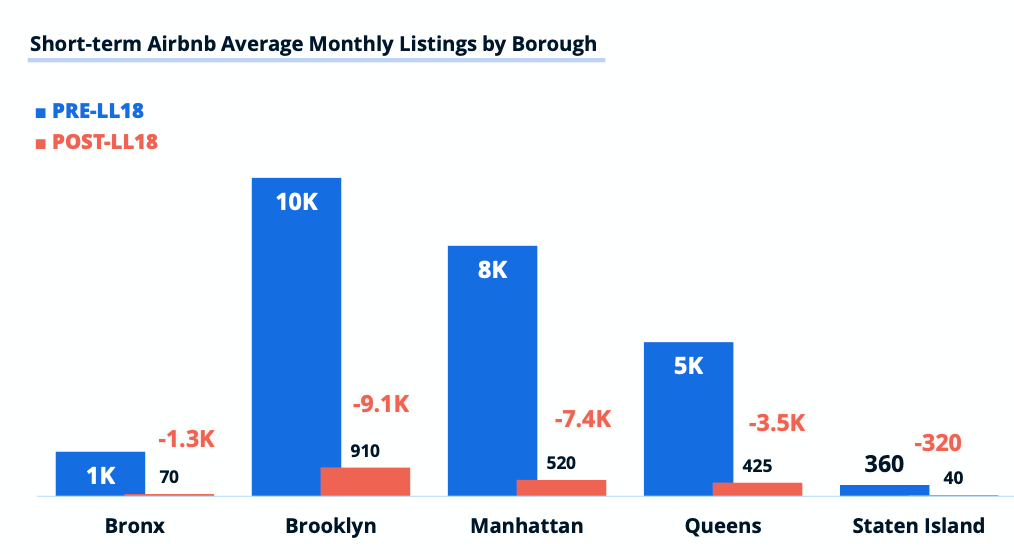
NYC short term rental regulations are among the strictest in the country. Under Local Law 18, hosts generally must register with the city’s Office of Special Enforcement, and most legal short-term rentals require the host to be physically present during the stay — entire-home rentals without the host on-site are largely restricted. Building rules, registration obligations, occupancy standards, and guest presence requirements all shape how (or whether) a listing can legally operate. You can review the current registration process directly through NYC’s official Short-Term Rental Registration portal before calculating any revenue projections here.
Virginia Beach Short Term Rental Regulations
Virginia Beach short term rental regulations vary by zoning district and neighborhood designation. Oceanfront demand creates real opportunity, but permit requirements, occupancy rules, and community expectations all play major roles in successful hosting — professional management, especially during peak season, helps maintain good relationships with both guests and residents.
Chicago Short Term Rental Regulations
Chicago short term rental regulations often involve licensing requirements, building compliance standards, and restrictions imposed by condo associations. Many hosts discover that private building policies shape operations just as much as city ordinances do. Registration procedures, local taxes, and neighborhood-specific rules all deserve review before a listing goes live.
Salt Lake City Short Term Rental Regulations
Salt Lake City short term rental regulations frequently depend on zoning classification and owner-occupancy considerations. Some neighborhoods support vacation rentals more readily than others, which makes location research particularly important — hosts targeting ski tourism or business travel should understand permit processes early in the investment cycle.
Austin Short Term Rental Regulations
Austin short term rental regulations distinguish between different categories of hosts and property uses. Licensing, taxation, neighborhood concerns, and event-driven demand all shape the local market here. Investors drawn in by festivals and tourism should prioritize compliance systems that can adapt as operational requirements shift over time.
Charleston SC Short Term Rental Regulations
Charleston SC short term rental regulations reflect the city’s commitment to preserving historic neighborhoods while still supporting tourism. Many districts maintain unique requirements around occupancy, permits, and operational standards. Hosts considering downtown properties should weigh both municipal regulations and historic preservation rules before moving forward.
Denver Short Term Rental Regulations
Denver short term rental regulations commonly emphasize a primary residence requirement — hosts frequently need to demonstrate the property serves as their actual main home, not just an investment. Licensing procedures, safety obligations, and local tax requirements round out responsible operation here.
Seattle Short Term Rental Regulations
Seattle short term rental regulations balance economic opportunity with housing concerns. Business licensing, registration procedures, and limits on multiple-unit operations can affect growth strategies directly — operators managing several properties should build strong compliance systems from the outset rather than reacting after the fact.
Fort Lauderdale Short Term Rental Regulations
Fort Lauderdale short term rental regulations involve registration processes, occupancy limits, local taxes, and neighborhood conduct standards. Given the area’s popularity with tourists, hosts benefit from clear house rules around noise, parking, and gatherings — professional guest communication goes a long way toward keeping community relationships positive.
Vass North Carolina Short Term Rental Regulations
Vass North Carolina short term rental regulations reflect the character of a smaller community where residential expectations carry real weight. Property owners should review local ordinances, county requirements, and any neighborhood restrictions before entering the market — understanding local sentiment here can matter just as much as the formal rules on paper.
Pinehurst NC Short Term Rental Regulations
Pinehurst NC short term rental regulations are shaped by the area’s strong golf tourism industry. Seasonal demand creates real opportunity, but hosts should still confirm zoning classifications, permit requirements, and HOA policies. Maintaining high operating standards supports both guest satisfaction and long-term sustainability here.
Comparing Major U.S. Markets for Short-Term Rentals
| City | Tourism Demand | Permit Complexity | Zoning Considerations | Host Flexibility |
|---|---|---|---|---|
| Dallas | High | Moderate | Important | Moderate |
| Las Vegas | Very High | High | Significant | Moderate |
| NYC | Extremely High | Very High | Critical | Limited |
| Chicago | High | Moderate | Important | Moderate |
| Austin | Very High | High | Significant | Moderate |
| Seattle | High | High | Important | Moderate |
| Denver | High | Moderate | Primary residence focus | Limited |
| Fort Lauderdale | Very High | Moderate | Coastal regulations | Strong |
| Charleston | High | High | Historic districts | Moderate |
| San Diego | Extremely High | High | Critical | Moderate |
This comparison is exactly why understanding short term rental regulations by cities matters as much as analyzing nightly rates or occupancy forecasts — a market with high tourism demand and low host flexibility can end up less profitable than a quieter market with genuinely permissive rules.
Mistakes That Frequently Lead to Fines and Operational Problems
Assuming Airbnb approval means legal approval. A live listing doesn’t guarantee compliance with local law — cities enforce their own requirements regardless of what the platform allows.
Ignoring HOA documents. Plenty of operators focus entirely on municipal rules while overlooking a community restriction that outright prohibits short-term rentals.
Missing annual renewals. Permits, insurance policies, and business registrations often need periodic updates — simple digital reminders prevent unnecessary interruptions.
Underestimating guest behavior risks. Parking problems, noise complaints, and occupancy violations tend to trigger enforcement attention faster than any paperwork issue. Clear house rules and proactive communication reduce conflict before it starts.
Expanding too quickly. Managing properties across multiple jurisdictions without an organized compliance system creates real risk — scaling responsibly usually beats rapid expansion in the long run, a lesson that applies just as much to choosing the right property management platform as it does to regulatory compliance.
Building a Regulation-First Investment Strategy
Professional investors increasingly start with regulatory analysis before they ever run financial projections. A practical process looks like: research local ordinances, confirm zoning eligibility, review HOA policies, estimate permit and compliance costs, analyze tax obligations, build operational systems around the legal requirements, and set up an annual review process.
This approach reduces surprises and supports far more reliable income forecasting. Hosts who prioritize compliance early consistently spend less time firefighting problems later.
Frequently Asked Questions
Do all cities require a permit before listing an Airbnb?
No. Short term rental permit requirements vary from one jurisdiction to another. Some cities require licenses, annual inspections, and tax registrations, while others keep the process relatively simple. Always verify local rules before accepting a reservation.
Can vacation rental zoning laws prevent me from operating an Airbnb?
Yes. Vacation rental zoning laws determine where short-term rentals are allowed at all. A property in a restricted residential district may not qualify for legal operation even with strong demand, even if a neighboring community permits it freely.
Are county regulations different from city regulations?
Absolutely. San Diego is a good example — san diego county short term rental regulations can differ meaningfully from the rules inside incorporated municipalities. Review both county and city requirements before investing.
What happens if I ignore Airbnb local laws and regulations?
Potential consequences include fines, permit revocation, listing removal, tax penalties, legal disputes, and real difficulty obtaining future approvals. Treating compliance as part of the business itself protects long-term profitability.
How often should Airbnb hosts review local regulations?
At least once a year. Markets evolve quickly, and cities regularly update policies around permits, occupancy limits, taxation, and zoning. The National League of Cities and similar organizations often track broader regulatory trends across U.S. municipalities if you want a wider view beyond a single city.
A Regulation-First Mindset Creates Stronger Airbnb Businesses
Plenty of hosting discussions focus on occupancy rates, pricing strategy, automation tools, and guest experience. Those all matter — but none of them replace a solid understanding of short term rental regulations by cities.
Successful operators treat regulation as part of the business model itself, not a separate legal hurdle to clear once. Whether you’re researching dallas short term rental regulations, comparing las vegas short term rental regulations, reviewing nyc short term rental regulations, or looking into fort lauderdale short term rental regulations, the same principle holds: know the rules before you commit capital, not after.
Hosts who build compliance systems early tend to see more predictable cash flow, better relationships with neighbors and local communities, fewer legal interruptions, and stronger insurance and financing options as they scale.
The most resilient Airbnb businesses aren’t necessarily the fastest-growing ones — they’re the ones built on clear processes and a real willingness to adapt as local requirements shift. Before launching your next listing, spend at least as much time researching permits and zoning as you do picking out furniture. It’s the preparation that quietly protects everything else you’ve built.



Leave a Reply