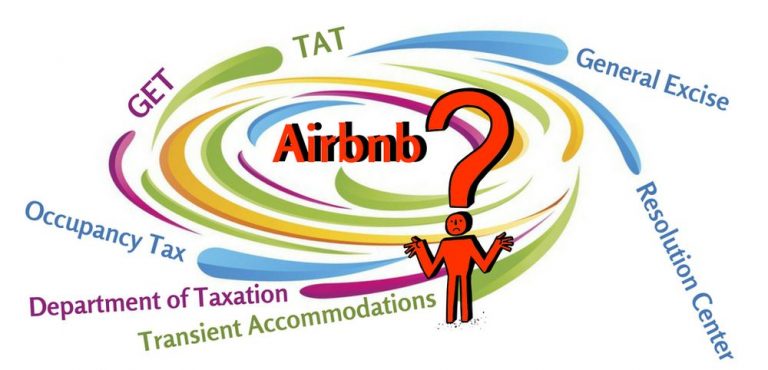
The most common question about airbnb occupancy tax isn’t “how much do I owe” — it’s “does Airbnb already handle this, or am I supposed to be doing something myself?” The honest answer is that it depends entirely on where your property is located, and getting this wrong in either direction — assuming Airbnb handles it when it doesn’t, or manually remitting a tax Airbnb already collected — is a more common mistake than most hosts realize.
The Short Answer
Occupancy tax (also called lodging tax or tourist tax depending on the jurisdiction) is a local or state tax charged on short-term stays, similar to a hotel tax. In many jurisdictions, Airbnb automatically collects and remits this tax on the host’s behalf as part of the booking process, meaning it’s added to the guest’s total and handled without any action from the host. In jurisdictions where Airbnb doesn’t have this arrangement in place, the responsibility to collect and remit falls on the host directly, and failing to do so can result in real penalties from local tax authorities regardless of whether Airbnb was involved in the transaction.
Occupancy Tax, Lodging Tax, and Tourist Tax: Mostly the Same Thing, Different Names
These terms largely describe the same category of tax — a charge on short-term lodging stays — but the specific name used varies by state, city, and country. “Occupancy tax” is common in much of the US, “lodging tax” is used interchangeably in many states, and “tourist tax” is a term more commonly seen internationally or in specific US tourist-heavy destinations. There’s no meaningful functional difference between these labels for most hosts — what matters is identifying which tax applies to your specific property location under whatever name your local authority uses.
Does Airbnb Collect Occupancy Tax? It Depends Entirely on Your Location
Airbnb has established automatic tax collection agreements with a large and growing number of states, counties, and cities, but this coverage is not universal. Where an agreement exists, Airbnb calculates the applicable occupancy tax, adds it to the guest’s total at booking, and remits it directly to the relevant tax authority — the host doesn’t need to do anything for that portion of tax compliance. Where no such agreement exists, the host is generally responsible for collecting the tax themselves (often built into the nightly rate or added as a line item) and remitting it directly to the local tax authority on whatever schedule that authority requires.
The only reliable way to know which category your property falls into is checking Airbnb’s own tax collection information for your specific listing location, since coverage changes over time as Airbnb adds new jurisdictions to its automatic collection program.
What Happens If You’re Responsible for Collecting It Yourself
If your jurisdiction isn’t covered by Airbnb’s automatic collection, the compliance burden shifts entirely to you, and this is where hosts most commonly run into trouble — not through deliberate avoidance, but through simply not realizing the obligation exists in the first place. This typically involves registering with your local tax authority as a short-term rental operator, calculating and setting aside the correct occupancy tax rate on each booking, and filing and remitting according to whatever schedule (often monthly or quarterly) your jurisdiction requires.
Penalties for non-compliance vary by jurisdiction but can include back taxes owed, interest, and additional fines — and unlike a lot of short-term rental compliance issues, occupancy tax enforcement is generally handled by local tax authorities independently of Airbnb, meaning platform-level compliance doesn’t protect you if you’re in a jurisdiction requiring self-remittance.
How This Interacts With Your Pricing
If you’re responsible for self-remitting, decide upfront whether to build the tax into your displayed nightly rate or add it as a separate line item guests see at checkout — this is a pricing strategy decision as much as a compliance one. Building it into your rate keeps your listing price competitive-looking in search results but requires you to be disciplined about setting aside the tax portion rather than treating the full nightly rate as revenue. Adding it as a visible line item is more transparent but can make your listing appear more expensive at a glance compared to competitors who’ve built it into their base rate.
How Occupancy Tax Differs From Income Tax and Deductions
It’s worth being clear that occupancy tax is a completely separate obligation from income tax and has nothing to do with deductions you can claim on your hosting income. Occupancy tax is a tax on the transaction itself, collected from the guest (even when the host is responsible for remitting it) — it’s not income you keep, and it’s not something you deduct. Confusing these two categories is a common early mistake, and treating occupancy tax collections as personal revenue rather than a pass-through liability is one of the more consequential bookkeeping errors a new host can make.
This content is educational and does not constitute tax or legal advice. Occupancy tax rates, collection agreements, and filing requirements vary by state, county, and city, and change over time — verify current requirements for your specific property location with your local tax authority or a licensed tax professional.
Checking Your Specific Obligation
Rather than guessing, the most reliable approach is checking Airbnb’s tax collection page for your specific address, which shows whether automatic collection applies to your listing, and separately confirming with your local city or county tax or revenue office whether any additional local registration is required beyond what Airbnb handles. This is worth doing even if you’ve been hosting for a while without issue, since coverage and requirements do change, and a jurisdiction with no requirement last year can implement one without much individual notice to existing hosts.
Record-Keeping That Makes This Easier
Even in jurisdictions where Airbnb handles collection automatically, keeping your own simple record of what was collected and remitted on your behalf is worth the small effort — this becomes genuinely useful if a tax authority ever has a question, or if you’re comparing your gross booking totals against what shows up in your payout to understand the deductions being made. For self-remitting hosts, this record-keeping isn’t optional — a basic spreadsheet tracking each booking’s tax collected, the applicable rate, and the remittance date and confirmation gives you a clean audit trail if your local authority ever requests documentation, and it also makes filing significantly faster than reconstructing the numbers retroactively each filing period.
What Changes If You List on Multiple Platforms
If you’re also listing on Vrbo or booking direct, occupancy tax obligations generally follow the property and jurisdiction, not the platform — meaning the same underlying tax obligation applies regardless of where the booking originated, but each platform’s collection arrangement with your local authority may differ. A jurisdiction where Airbnb automatically collects doesn’t necessarily mean a booking made through a different channel is covered the same way, so if you’re running bookings across multiple platforms, verify each one’s specific tax handling for your location rather than assuming consistent treatment across all of them.
FAQ
What is occupancy tax in Airbnb, exactly?
It’s a local or state tax on short-term lodging stays, similar to a hotel tax, charged to the guest and either automatically collected by Airbnb or the host’s responsibility to collect and remit, depending on whether your jurisdiction has an automatic collection agreement in place.
Does Airbnb collect tourist tax automatically?
In many jurisdictions where an agreement exists, yes — “tourist tax” is generally the same category of tax as occupancy or lodging tax under a different regional name, and Airbnb’s automatic collection coverage applies the same way regardless of which local term is used.
Does Airbnb collect occupancy tax in every location?
No — coverage is jurisdiction-specific and has expanded significantly over time but isn’t universal. Always check your specific property’s tax settings in your host account rather than assuming based on what a host in a different city or state has told you.
What’s the difference between occupancy tax, lodging tax, and airbnb lodging tax?
Functionally, these are almost always the same category of tax under different regional naming conventions — there’s no meaningful distinction that changes how you’d handle compliance, only the local terminology used.
What happens if I don’t realize I’m responsible for collecting the tax myself?
You can owe back taxes, interest, and potentially additional penalties directly to your local tax authority, independent of Airbnb — ignorance of the requirement generally doesn’t exempt a host from the underlying obligation once discovered.
Bottom Line
The single most important thing to do with airbnb occupancy tax is confirm, specifically for your property’s exact location, whether Airbnb handles it automatically or whether the responsibility falls on you — don’t assume based on general hosting advice or another host’s experience in a different market. Where you are responsible for self-remitting, build the habit of treating collected tax as a pass-through liability rather than revenue, and verify your obligations periodically rather than assuming a one-time check remains accurate indefinitely.
For Airbnb’s own tax collection information by jurisdiction, see Airbnb’s Occupancy Tax Collection and Remittance page.



Leave a Reply