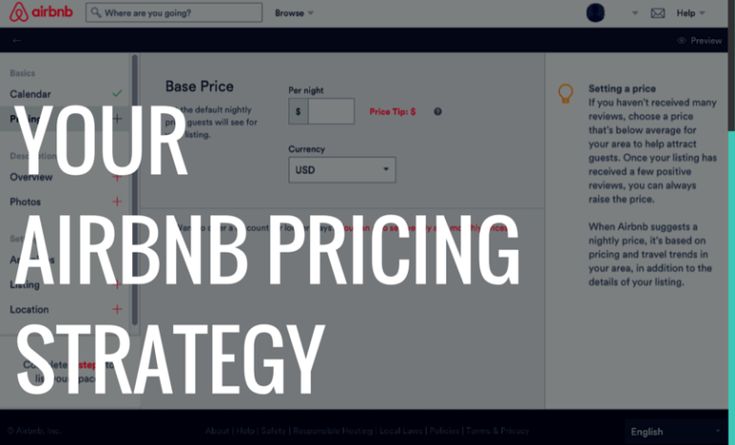
If you’re wondering how to price your Airbnb listing, you’re asking one of the most consequential questions in the entire short-term rental business. Get it right, and a well-managed property maximizes revenue year after year. Get it wrong, and you end up with a fully booked calendar that barely turns a profit.
Working with Airbnb hosts across the United States, one lesson keeps repeating itself: the hosts who do well don’t rely on guesswork. They use data, watch local demand, adjust for seasonality, and apply proven Airbnb pricing strategy tips rather than picking a number once and hoping for the best.
That’s the mistake most hosts make — setting a nightly rate once and never touching it again. But the market never actually sits still. School holidays, concerts, sporting events, weather patterns, and broader economic conditions all shift what guests are willing to pay, sometimes week to week.
Learning how to set nightly rate Airbnb travelers find reasonable — while still protecting your own profitability — takes both strategy and flexibility. Whether you’re managing a spare bedroom, a vacation cabin, or a portfolio of properties, the fundamentals in this guide will help you grow revenue without sacrificing occupancy in the process.
Why Pricing Is the Most Important Decision a Host Makes
Many hosts spend weeks selecting furniture, decorating bedrooms, and perfecting listing photos — then decide their nightly rate in under ten minutes. That approach rarely holds up over a full year.
Here’s the part that’s easy to forget: your market determines value, not your personal attachment to the property. The hosts generating the strongest annual revenue treat pricing as a living system, not a fixed number, because demand keeps shifting under local festivals, university events, school holidays, business travel seasons, sporting events, weather, airline schedules, and competitor behavior.
Understanding the Foundations of Airbnb Pricing
Before jumping into advanced tactics, it’s worth nailing down a few fundamentals.
Occupancy Is Not the Only Goal
Plenty of new hosts assume 100% occupancy equals success. In reality, profitability matters far more than a full calendar.
| Strategy | Average Nightly Rate | Occupancy | Annual Revenue |
|---|---|---|---|
| Budget Pricing | $140 | 95% | $48,545 |
| Premium Pricing | $185 | 82% | $55,393 |
The second property welcomes fewer guests and still earns meaningfully more. Successful pricing balances occupancy, average daily rate (ADR), cleaning expenses, profit margins, operational efficiency, and guest quality all at once — sometimes earning more genuinely means accepting fewer bookings at a higher rate, a dynamic covered in more depth in our guide to occupancy rates by city.
Understand Your Operating Costs
Before setting any nightly rate, calculate your real expenses — mortgage payments, utilities, insurance, property taxes, cleaning fees, maintenance reserves, Airbnb service charges, amenities, guest supplies, and emergency repairs. Platform fees in particular are easy to underestimate; understanding exactly what Airbnb charges hosts is a necessary first step before any pricing number will actually hold up. Without a clear picture of these numbers, setting a sustainable minimum price is close to impossible.
Define Your Market Position
Ask yourself what type of experience you’re actually selling. Are you a budget-friendly option, a luxury vacation rental, a family-oriented property, a business-travel accommodation, a remote-work destination, or a unique stay built around a premium experience? The answer shapes every pricing decision that follows — trying to compete in every category at once usually weakens your position in all of them.
How to Set Nightly Rate Airbnb Hosts Can Maintain Long-Term
One of the most searched questions among hosts is how to set nightly rate Airbnb guests will happily pay while still protecting healthy margins. The answer starts with research, not intuition.
Step 1: Analyze Comparable Listings
Review properties genuinely similar to yours — bedroom count, guest capacity, amenities, review ratings, neighborhood, and property type. Avoid comparing a downtown apartment to a suburban home, a luxury villa to a standard family rental, or a waterfront property to something inland. Accurate comparisons are what actually produce a usable number.
Step 2: Establish a Base Nightly Rate
If comparable listings charge $210, $225, $230, $240, and $245, a reasonable starting point sits around $230 per night. From there, adjustments should account for weekends, holidays, seasonal demand, booking pace, major local events, and last-minute vacancies.
Step 3: Differentiate Weekday and Weekend Pricing
Charging the same rate every night of the week is one of the most common mistakes hosts make, since most markets see noticeably stronger weekend demand.
| Market Type | Weekend Premium |
|---|---|
| Urban Destinations | 15–25% |
| Beach Markets | 20–35% |
| Mountain Communities | 25–40% |
| Event Cities | 30–50% |
Guests already expect to pay more on weekends — the goal is just making sure your rates actually reflect the real demand curve rather than guessing at it.
Step 4: Build Seasonal Pricing Tiers
Every destination runs on a predictable cycle. Florida vacation rentals typically peak December through April and slow down August through October. Mountain destinations see high demand during winter ski season and summer hiking season, with spring and late autumn as shoulder seasons. Urban business markets often spike around conferences, trade shows, corporate events, university graduations, and sporting competitions. Recognizing these cycles ahead of time prevents the costly mistake of underpricing right when demand peaks.
Vacation Rental Dynamic Pricing Explained
A lot of hosts hear the term “dynamic pricing” without fully understanding what it means in practice. Simply put, it’s adjusting your rate based on changing market conditions instead of charging the same amount every single day.
Instead of $220 every night all year, your calendar might actually look like this:
| Date Type | Nightly Rate |
|---|---|
| Tuesday | $195 |
| Friday | $250 |
| Holiday Weekend | $395 |
| Music Festival Weekend | $525 |
| Last-Minute Vacancy | $175 |
The goal was never consistency. It’s maximizing revenue across the whole year.
Why Static Pricing No Longer Works
A decade ago, updating prices once per season was fine. Today’s market moves considerably faster, shifting with airline schedules, concert announcements, weather, local tourism trends, sports calendars, competitor adjustments, and broader economic shifts. Hosts still using a fixed pricing model tend to leave real money on the table without realizing it.
Benefits of Dynamic Pricing
Four advantages show up consistently: stronger annual revenue as prices track real demand, better occupancy management as lower rates during slow periods reduce vacancies, less manual work once automation handles the constant calendar adjustments, and faster responses when a local event or seasonal trend shifts unexpectedly.
Essential Airbnb Pricing Strategy Tips Every Host Should Know
After working with hundreds of vacation rental owners, a handful of simple principles consistently beat complicated tactics.
Price according to booking windows. Business travelers often book within days of arrival, family vacations get planned months out, holiday travelers reserve extremely early, and event attendees book the moment tickets go on sale. Knowing your typical booking window lets you adjust rates with real confidence instead of guessing.
Raise prices during local events. Ignoring the event calendar is one of the biggest mistakes hosts make — college football schedules, music festivals, state fairs, marathons, university graduations, trade shows, and convention center events can all spike demand dramatically, and your pricing should reflect that.
Use minimum stay requirements strategically. Longer stays reduce cleaning costs, guest turnover, administrative work, and vacancy gaps.
| Season | Recommended Minimum Stay |
|---|---|
| Regular Weekends | 2 Nights |
| Holiday Weekends | 3 Nights |
| Peak Vacation Season | 5–7 Nights |
| Major Events | 3–4 Nights |
Avoid emotional pricing decisions. Plenty of hosts believe their property deserves a premium rate because of what they personally invested in it. Guests compare listings objectively, and pricing decisions hold up better when they’re based on market demand, competitor analysis, amenities, review scores, and location — not sentiment.
Action Steps You Can Implement Today
If you’re not sure where to start, a few moves deliver results almost immediately.
Review your top five competitors — document nightly rates, amenities, guest reviews, occupancy patterns, and minimum stay requirements. This alone gives you real market insight instead of a guess.
Create seasonal pricing calendars for peak season, shoulder season, off-season, and holiday periods, so decisions aren’t being made under pressure at the last minute.
Test higher weekend rates. If your weekday and weekend prices are identical, try a modest 10% increase and watch bookings closely — plenty of hosts discover they’ve been undercharging for years once they actually test it.
Define minimum and maximum rates. Your pricing system should never drop below your actual operating costs, and it shouldn’t reach unrealistic levels that scare off bookings either. Protecting profitability matters just as much as chasing occupancy.
Building an Airbnb Pricing Strategy Dashboard
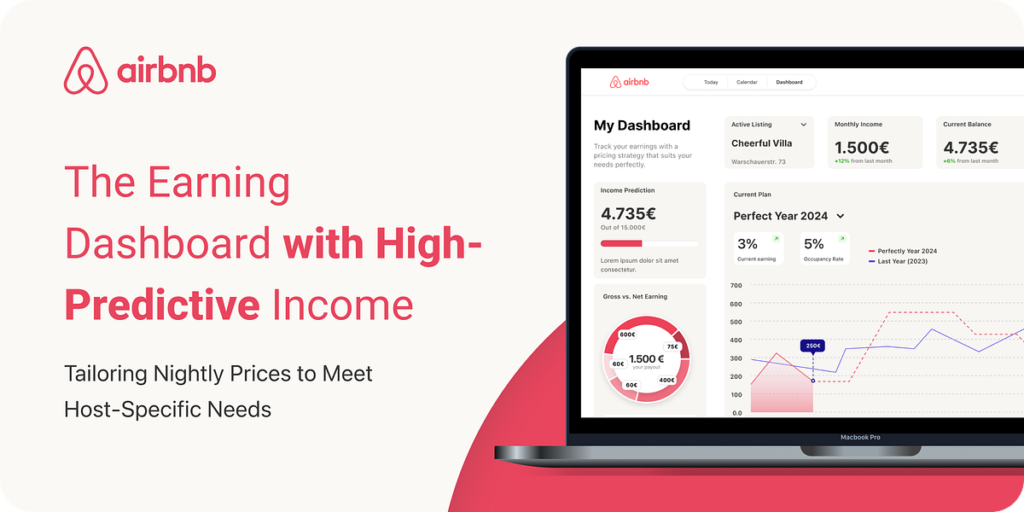
Experienced operators rarely lean on intuition alone — they use data, and creating an Airbnb pricing strategy dashboard doesn’t require expensive software. Even a simple spreadsheet works well here.
| Metric | Why It Matters | Target Range |
|---|---|---|
| Occupancy Rate | Calendar utilization | 70–85% |
| Average Daily Rate (ADR) | Nightly revenue performance | Market dependent |
| Revenue Per Available Night | Combines occupancy and pricing | Increasing monthly |
| Booking Window | Guest planning behavior | 20–90 days |
| Average Length of Stay | Cleaning efficiency | 2–7 nights |
The point isn’t maximizing any single number in isolation — it’s keeping all of them in balance together. If you’re tracking these across multiple properties, tools like AirDNA’s market data platform can help benchmark your numbers against comparable listings in your area.
Metrics Worth Reviewing Every Week
Successful hosts keep an eye on new reservations, competitor price changes, local event schedules, last-minute vacancies, guest inquiries, and weekend occupancy levels. Regular review, more than any single tactic, is what leads to smarter pricing over time.
Use Technology Without Losing Human Judgment
Technology helps a great deal, but local knowledge still matters. Pricing software may not catch a newly announced festival, a university championship game, a road construction project, a tourism disruption, or a temporary venue closure — which is exactly why pricing tools should support your judgment rather than replace it. Some hosts pair dynamic pricing software with a broader automation platform like the one covered in our Hospitable review, so pricing adjustments and guest communication move together instead of living in separate systems.
Real-World Example: A 28% Revenue Increase
A host near Asheville, North Carolina, owned a three-bedroom vacation rental with a fairly simple pricing structure: $225 on weekdays, $250 on weekends, minimal seasonal adjustment, no event pricing, and no holiday premiums.
| Metric | Original Performance |
|---|---|
| Occupancy | 92% |
| Annual Revenue | $71,000 |
At first glance, those numbers looked strong. But extremely high occupancy that consistent is often a sign of underpricing rather than success.
The Changes We Implemented
We built out seasonal pricing tiers — separate rates for fall foliage, summer vacation, winter discounts, and spring shoulder season. Weekend rates increased 20–35%, with holiday weekends pushed even further. We started monitoring music festivals, university activities, sporting events, and tourism conventions, giving special demand periods their own customized pricing. And three-night minimum requirements went into effect during major weekends, which reduced cleaning expenses while increasing the average reservation value.
The Results After One Year
| Metric | Updated Performance |
|---|---|
| Occupancy | 84% |
| Annual Revenue | $91,000 |
The host welcomed fewer guests and earned substantially more — a $20,000 jump in annual revenue from an 8-point drop in occupancy. That trade-off is one of the more counterintuitive lessons in vacation rental management: higher occupancy doesn’t automatically mean higher profit.
Common Mistakes Hosts Make
Keeping prices static year-round, when weather, tourism trends, holidays, economic conditions, and local events are constantly shifting what guests will pay.
Competing only on price — lower rates bring bookings, but not always profitable ones. Better amenities, professional photography, exceptional cleanliness, faster communication, and a genuinely unique guest experience justify a premium rate more sustainably than a race to the bottom does. A strong Airbnb listing description does a lot of this work before a guest ever compares prices.
Ignoring operating costs, since frequent short stays quietly increase cleaning expenses, maintenance requirements, and administrative work — longer reservations often produce noticeably stronger margins.
Copying competitors without context. Every property is different in review quality, location, interior design, amenities, and guest capacity — competitor research is a guide, not a rulebook to follow blindly.

Advanced Airbnb Pricing Strategy Tips
Once the fundamentals are in place, a few more advanced techniques can push results further.
Reward longer stays with weekly or monthly discounts, which lower cleaning costs, reduce vacancy gaps, and create more predictable revenue overall.
Price according to lead time, since a guest booking six months out behaves very differently from one booking tomorrow — premium rates for early reservations, moderate last-minute discounts, and holiday-specific booking rules all work together here.
Create holiday-specific pricing rules for Memorial Day, Independence Day, Labor Day, Thanksgiving, Christmas, and New Year’s Eve, since these periods rarely follow a normal demand pattern.
Review pricing every month, asking whether weekends are selling too quickly, whether weekdays are sitting empty, whether competitors have raised prices, and whether any major events are coming up. That habit alone tends to produce stronger performance than any single tactic on this list.
Frequently Asked Questions
How do I know if my Airbnb is underpriced?
If weekends consistently sell out months in advance or occupancy stays above 90% year-round, there’s a good chance you have room to raise rates — strong, consistent demand like that often signals unrealized revenue potential.
How often should Airbnb prices be adjusted?
At minimum, review pricing monthly. During peak seasons or around major local events, weekly reviews may be worth the extra effort.
Should I use Airbnb Smart Pricing?
Airbnb’s own Smart Pricing tool can help beginners get started, but experienced hosts often do better with a customized strategy built around local conditions and specific business goals rather than an automated default.
What is the best way to set nightly rate Airbnb properties can sustain?
Start with comparable listings, establish a sustainable minimum, account for seasonality, and keep refining based on actual booking performance rather than a one-time guess.
Is dynamic pricing worth it?
For professionally managed properties, generally yes. Vacation rental dynamic pricing explained simply means adapting rates to real demand, and that flexibility usually shows up as stronger annual revenue by year-end.
Conclusion
Learning how to price your Airbnb listing is one of the most valuable skills any host can build. The gap between an average-performing property and an exceptional one rarely comes down to furniture, décor, or amenities alone — it comes from understanding demand, reading the data honestly, and making pricing decisions on purpose instead of by accident.
The hosts who consistently outperform their market review their numbers regularly, adjust for seasonal demand, watch local events closely, and treat pricing as an ongoing part of running the business rather than a box checked once at listing setup. Even adopting a few of the methods in this guide — a proper seasonal calendar, weekend premiums that actually reflect demand, a simple pricing dashboard — tends to move the needle noticeably within a single season.


Leave a Reply