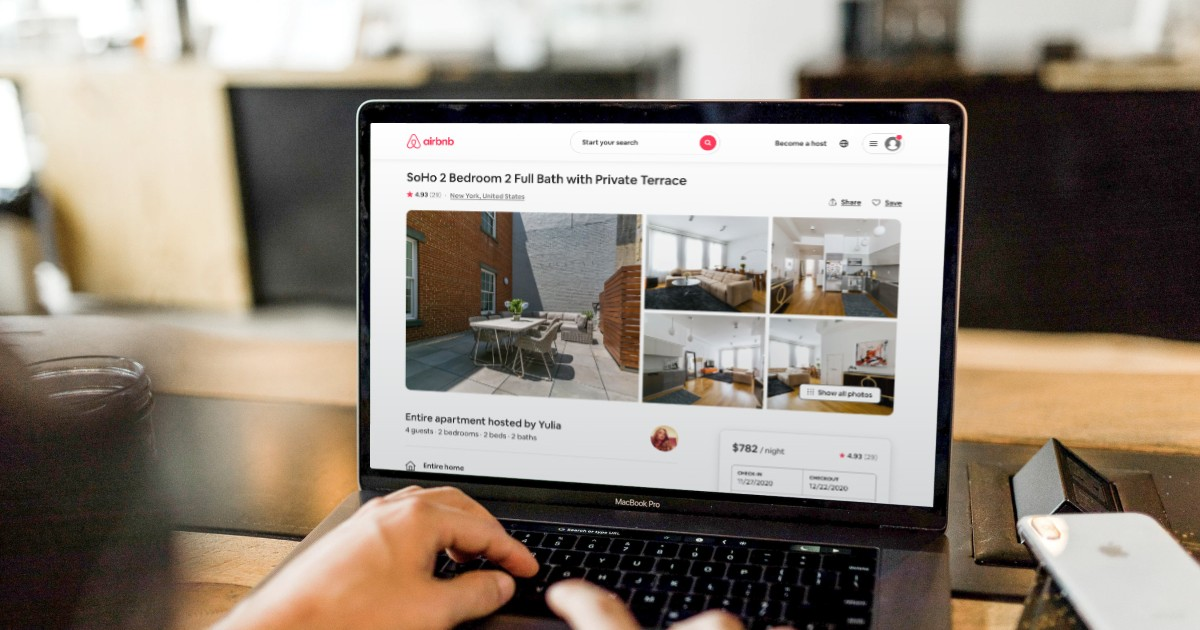
Most hosts don’t realize how much a single paragraph can change their booking rate — until they figure out how to write Airbnb listing description content that actually sells the experience instead of just listing the square footage. Once that clicks, hosts stop competing purely on price and start competing on how well they’ve told their property’s story.
Working with hosts across Florida, Tennessee, Arizona, Texas, and North Carolina, one pattern keeps showing up: listings with clear, experience-driven descriptions consistently outperform near-identical homes with generic wording.
This isn’t a creative writing exercise. It’s a practical decision framework — one that helps you figure out whether rewriting your description is actually the highest-value move you could make right now, or whether your time is better spent elsewhere first.
Quick Answer Box
The best Airbnb listing descriptions focus on guest experiences rather than property features alone. Effective descriptions highlight location advantages, unique amenities, ideal guest types, and practical details while staying honest, specific, and easy to scan. Strong copy improves click-through rates, conversions, and guest satisfaction.
If your current description reads like a real estate listing, rewriting it may be one of the highest-return uses of your time as a host.
Is This Right for You?
Not every host needs to spend hours rewriting descriptions. The value depends entirely on where you’re starting from.
This Is Probably Right for You If:
You’re getting views but few bookings. Nearby competitors are outperforming your listing. Your description only talks about room counts and amenities. You want to raise nightly rates without losing occupancy. Or you’re new to hosting and trying to build early momentum.
Rewriting a description tends to pay off quickly here, because it improves the traffic you already have instead of requiring you to spend more on marketing.
You Might Want to Prioritize Other Areas First If:
Your photos aren’t attracting clicks in the first place, your cleanliness scores are weak, your pricing sits well above what the market expects, or your availability calendar is inconsistent. Copywriting helps — but it rarely fixes problems that live elsewhere in the listing. Professional photography and a genuinely good guest experience come before the words on the page.
Decision Matrix
Use this framework to figure out whether rewriting your description deserves immediate attention.
| Situation | Priority Level | Recommended Action |
|---|---|---|
| High views, low bookings | Very High | Rewrite immediately |
| New listing with no reviews | High | Optimize before launch |
| Established Superhost property | Medium | Refine and test improvements |
| Poor photography | Low | Fix photos first |
| Inconsistent cleaning reviews | Low | Address operations before copy |
| Multiple listings under management | Very High | Standardize description frameworks |
The point isn’t to fix everything at once — it’s to know what to fix first.
Why Listing Descriptions Matter More Than Many Hosts Realize
Guests rarely book a property based on its amenity list alone. They book the experience they imagine having in it.
Compare these two versions of the same property:
Version A: Two bedrooms. One bathroom. Full kitchen. Free parking.
Version B: Wake up five minutes from downtown restaurants. Enjoy coffee on a private patio before exploring local attractions. Cook family meals in a fully equipped kitchen after a day at the beach.
Both describe the exact same house. Only one of them makes a reader picture themselves there.
Search Visibility Benefits
Well-structured descriptions tend to support better engagement, longer time spent on the listing, and stronger conversion — signals that can influence how a listing performs in Airbnb’s own search results over time.
Guest Expectations Become Clearer
Clear descriptions cut down on misunderstandings, refund requests, negative reviews, and bookings from guests who were never the right fit to begin with. Honesty here improves both occupancy and guest satisfaction at the same time.
Benefits of Writing Better Airbnb Descriptions
Hosts consistently underestimate how much this one piece of copy is doing for them.
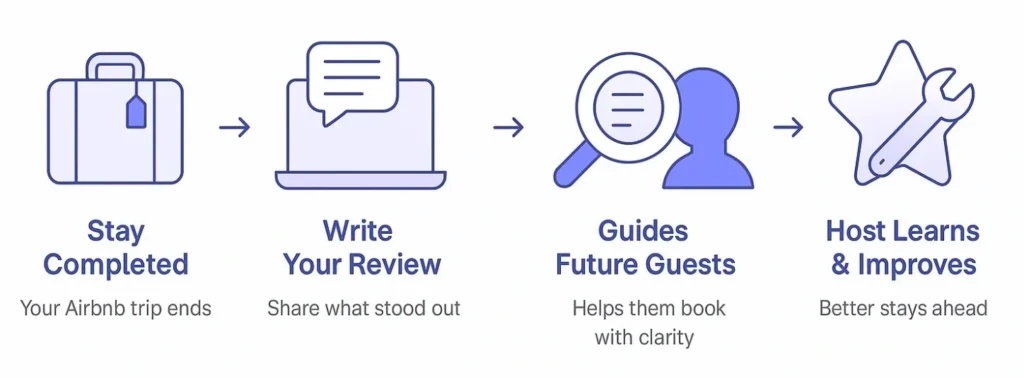
Higher conversion rates mean the same traffic you’re already getting turns into more actual bookings — better occupancy, less reliance on discounting, stronger margins.
Better guest alignment happens when an accurate description naturally filters in families, remote workers, couples, or outdoor enthusiasts — whichever group your property is genuinely built for. Not every guest fits every property, and a good description makes that match happen before booking, not after check-in.
Stronger review performance follows naturally when descriptions match reality — guests arrive with expectations that are actually correct, which tends to produce positive feedback and fewer complaints.
Premium pricing opportunities open up once a property communicates real, specific value instead of competing purely on nightly rate.
Risks and Trade-Offs
Every decision involves trade-offs, and rewriting descriptions is no exception.
The biggest risk is overpromising — calling something “walking distance” when it actually requires a car, exaggerating luxury features, or misrepresenting the view from the balcony. Trust, once broken by a guest who feels misled, is hard to win back in a review.
A close second is trying to appeal to everyone at once. The result is usually a description so generic it resonates with nobody in particular — specificity is what actually wins bookings.
And finally, if your photos need work, your cleaning standards need attention, or your pricing strategy is off, rewriting your description won’t fix any of that. Optimization has to follow a logical order, and copy usually isn’t first in line.
Airbnb Title Examples That Actually Work
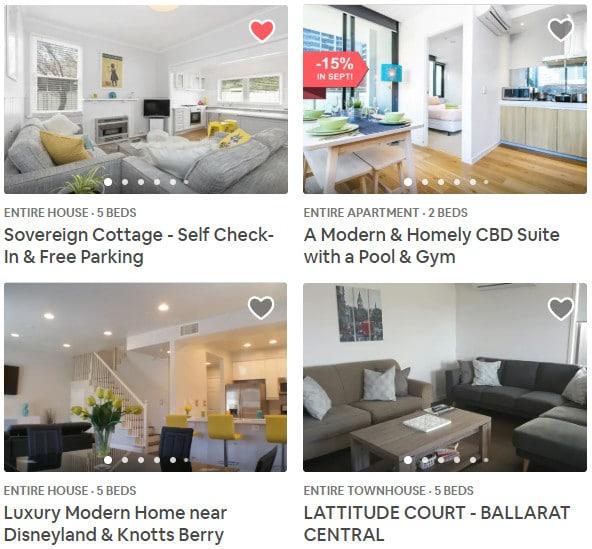
Strong titles sell a benefit. Weak ones just count rooms.
Mountain cabin: Instead of “Cozy Two Bedroom Cabin,” try “Mountain Views | Hot Tub | 10 Minutes to Downtown Gatlinburg.”
Beach property: Instead of “Beautiful House Near Beach,” try “Walk to the Beach | Heated Pool | Family-Friendly Retreat.”
Urban apartment: Instead of “Downtown Apartment,” try “Rooftop Views | Free Parking | Steps from Broadway.”
What these stronger versions share is a focus on unique amenities, location advantages, and an emotional hook rather than a bare inventory of rooms. Guests scan quickly — a title has to earn the click in about two seconds.
How to Describe Vacation Rental Property Effectively
Learning how to describe vacation rental property in a way that actually converts means shifting how you think entirely — from homeowner to traveler.
Start With Experiences
Instead of “Three-bedroom home,” try “Gather with family around a spacious living area after exploring nearby hiking trails.” The second version sells the evening, not the square footage.
Address Guest Goals
Different travelers are shopping for different things. Families are usually after safety, convenience, and space. Remote workers care about reliable internet, quiet, and a dedicated place to sit down and work. Couples are often looking for privacy and atmosphere more than anything else. Your description should speak to whichever group you’re actually trying to reach.
Mention Practical Details
Parking availability, distance to attractions, pet policies, stair access, and kitchen equipment all belong in the description — not because they’re exciting, but because leaving them out creates disappointment later.
Balance Emotion and Accuracy
The strongest descriptions blend storytelling, facts, and logistics together. Lean too far into either pure emotion or a pure spec sheet, and the description stops doing its job.
A Florida host’s example: instead of “House with pool and kitchen,” one host rewrote it as “Spend mornings by the heated pool, walk to nearby restaurants, and return to a fully equipped kitchen designed for family gatherings.” The amenities didn’t change at all. The experience being sold changed completely.
Best Scenarios for Rewriting Your Description
Some situations produce a much bigger return on the time you’d spend rewriting.
A new listing entering a competitive market — launching in a destination like Nashville, Scottsdale, or Orlando means going up against hundreds of established listings immediately. Strong copy helps a new host build momentum, improve click-through rates, and avoid competing purely on discounted pricing from day one.
Family-oriented vacation homes — families want specifics: sleeping arrangements, parking, kitchen features, nearby attractions, child-friendly amenities. Detail here directly supports the booking decision.
Unique properties — cabins, farm stays, tiny homes, and luxury retreats lean hard on storytelling, because guests are often buying the experience itself, not just a place to sleep.
Hosts moving toward premium pricing — higher rates require the guest to perceive higher value, and the description is often doing most of that communication work.
Worst Scenarios for Rewriting Right Now
Some situations mean your time is better spent somewhere else entirely.
If your photos aren’t attracting clicks in the first place, no amount of great writing gets read — invest in professional images, better lighting, and improved staging first.
If you’re dealing with operational problems — cleanliness, slow communication, maintenance delays — those issues drive long-term guest experience far more than your wording does, and they deserve priority.
If your property is positioned for the wrong audience entirely — a family home marketed as a romantic getaway, or a quiet cabin marketed toward a nightlife crowd — no description can fix a fundamental mismatch like that.
And if your amenities or policies keep changing because of frequent renovations, consistency becomes the real problem — descriptions need to stay accurate over time, not just sound good once.
Airbnb Listing Tips for Beginners
A few practical airbnb listing tips for beginners tend to produce results consistently.
Focus on guest benefits, not just features. Instead of “King bed. Coffee maker. Backyard,” try “Sleep comfortably after a day exploring downtown attractions” or “Start mornings with fresh coffee on the private patio.” Benefits land harder than a plain inventory.
Use simple language. Skip the real estate jargon, the overly dramatic wording, and the marketing clichés — guests respond better to plain clarity.
Organize information logically. A description that moves from the overall experience, to key amenities, to neighborhood highlights, to logistics, to house expectations, reads far more naturally than one that jumps around.
Be honest about limitations. Street parking only, third-floor walk-up access, seasonal pool availability — spelling these out clearly tends to support better reviews, not worse ones.
Questions to Ask Yourself Before Rewriting
A few questions are worth sitting with before you touch your description.
Who is my ideal guest — families, couples, remote workers, outdoor enthusiasts, business travelers? Everything else in the description flows from this one answer.
What makes my property different — views, amenities, location, architecture, the overall experience? Specificity is what makes a listing memorable instead of interchangeable.
What questions do guests ask most often? Frequent questions about parking, pet policies, check-in, or distance to attractions usually mean that information is missing from the description in the first place — and should be added proactively.
Am I selling features or experiences? The strongest listings do both, but lean toward experience.
Could someone else’s listing use this exact same description? If the answer is yes, it probably needs more specificity.
Step-by-Step Implementation Framework
A systematic approach tends to work better than sitting down and hoping inspiration strikes.
Step 1: Identify your target audience. Pick one primary group — families, couples, remote workers — rather than trying to speak to everyone at once.
Step 2: List core benefits, not just features.
| Feature | Benefit |
|---|---|
| Hot tub | Relax after hiking adventures |
| Fast Wi-Fi | Productive remote work |
| Large kitchen | Easy family meals |
| Walkable location | Less time driving |
Step 3: Build your narrative — an opening experience statement, property highlights, local advantages, logistics, and expectations, in that order.
Step 4: Test performance by watching click-through rates, booking conversions, and guest feedback after the change.
Step 5: Review quarterly, since guest priorities shift with the seasons and your description should shift with them.
Real-World Example: Arizona Desert Retreat
A host near Scottsdale was struggling against heavy competition. The original description leaned entirely on bedroom counts, appliance lists, and square footage — and bookings stayed inconsistent despite decent traffic.
The revised version shifted focus to sunset views, outdoor dining, nearby golf courses, and remote work amenities, along with practical details like drive times, parking, and local recommendations.
Nothing about the physical property changed. The communication around it did — and guest expectations lined up more closely with reality, which showed up in stronger reviews and more repeat visitors.
Final Recommendation
Whether it’s worth your time to sit down and rework how to write Airbnb listing description content depends entirely on what’s actually holding your bookings back right now.
Move on this immediately if: you have traffic but low bookings, you’re competing in a crowded market, your description feels generic, or premium pricing is a real goal for you.
Hold off if: your photography needs work, your cleaning standards need attention, or your operational systems are still inconsistent. Strong copy amplifies fundamentals that are already solid — it rarely rescues ones that aren’t.
The hosts who consistently outperform the market tend to ask themselves one specific question before writing anything: what is my guest actually buying when they book this place? The listings that answer that clearly tend to win regardless of size, age, or price point — and pairing a strong description with proven strategies for getting more bookings on Airbnb tends to compound the effect even further.
For hosts building out a new listing from scratch, it’s also worth reviewing how to start a short-term rental the right way before writing a single word of the description — since positioning decisions made early tend to shape what the listing needs to say later.
Frequently Asked Questions
How long should an Airbnb listing description be?
Long enough to answer essential questions without overwhelming the reader. Clarity and structure matter more than hitting a specific word count.
Should I use keywords in my Airbnb description?
Yes, naturally. Relevant phrases help communicate value, but readability should always come first — keyword stuffing tends to hurt more than it helps.
What makes a good Airbnb title?
Strong titles emphasize unique experiences, amenities, and location benefits rather than simple room counts.
How often should I update my listing description?
Review it at least quarterly, or whenever major amenities, policies, or market conditions change. According to Airbnb’s own host resource center, listings updated regularly tend to stay more competitive in search results over time.
Do better descriptions increase bookings?
When fundamentals like pricing, photos, and cleanliness are already solid, improved descriptions genuinely do support better conversion rates and guest alignment.

Leave a Reply