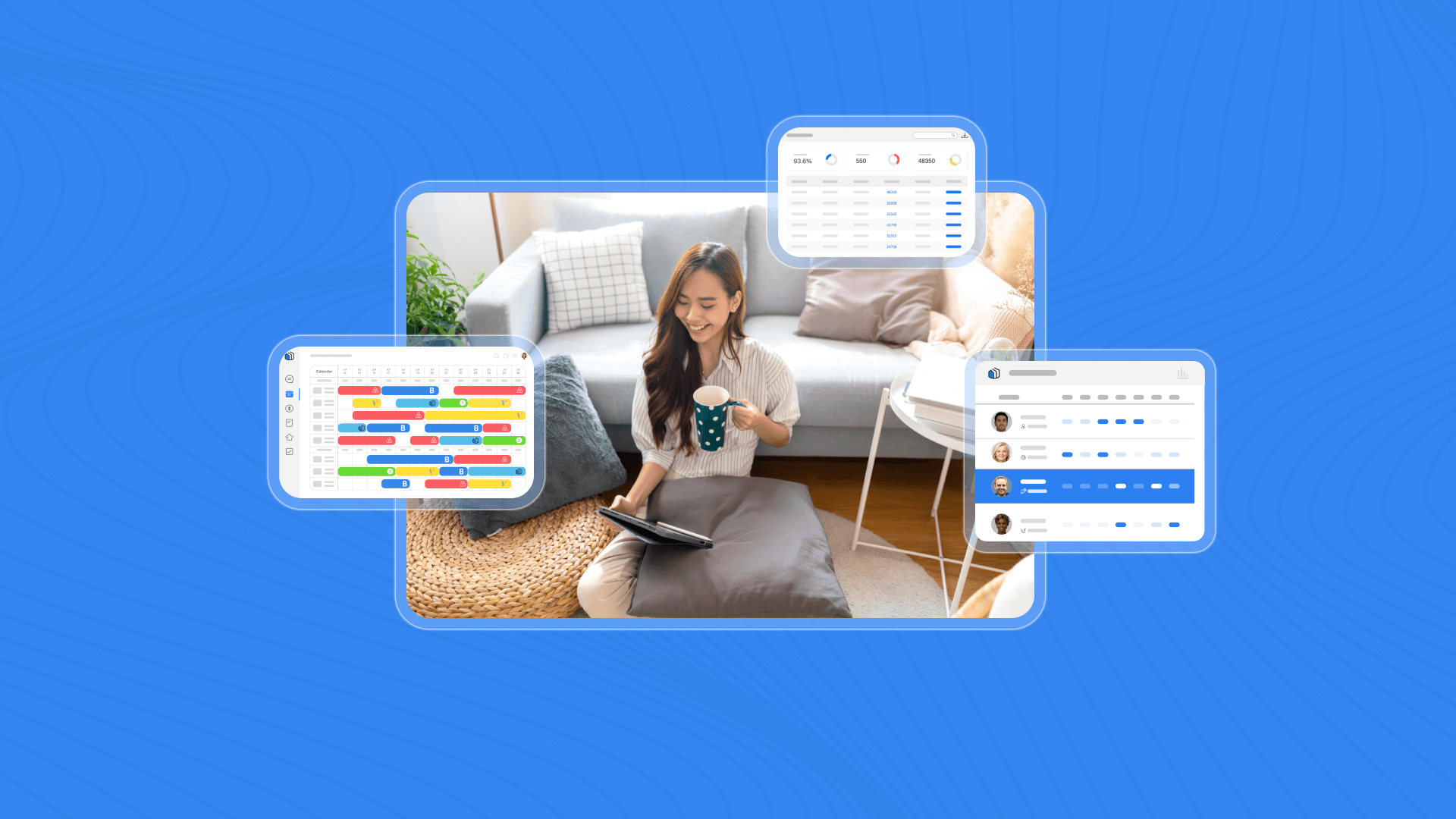
Managing an Airbnb from another city — or even another state — used to be something only large vacation rental companies could pull off. Today, it’s becoming the norm.
Whether you invested in a cabin in the Smoky Mountains while living in Texas, own a beach condo in Florida from New York, or recently moved away from a property that’s still generating short-term rental income, learning how to manage Airbnb remotely isn’t just a convenience anymore. It’s a competitive advantage.
Quick Answer
Yes, you can successfully manage an Airbnb remotely by building systems instead of relying on your own availability — a reliable local cleaner and maintenance contact, smart locks for self check-in, automated guest messaging, and property management software to tie it all together. The core shift is treating your rental as a business with repeatable processes, not a property you personally check in on.
The real challenge isn’t accepting bookings — it’s making sure every guest walks into a spotless property, gets fast responses, checks in without a hitch, and leaves a five-star review, even when you’re hundreds or thousands of miles away.
The good news is remote hosting isn’t about working harder. It’s about building systems that don’t need you in the room. With the right technology, dependable local partners, and a few smart workflows, you can maintain a professional guest experience while spending far less time on day-to-day operations.

Why More Hosts Are Managing Airbnb Properties Remotely
A few years ago, most Airbnb hosts owned properties close to home. That’s changing fast.
Many investors now buy in destinations with stronger tourism demand rather than sticking to their local market. Others relocate for work while continuing to run an existing rental from wherever they land. Remote management became possible because nearly every operational task can now be handled digitally — monitoring reservations online, scheduling cleaners automatically, verifying completed cleanings with photos, controlling smart locks remotely, and tracking revenue from a phone.
This shift lets investors choose markets based on return on investment instead of proximity — a mindset covered in more depth in our guide to what makes a city good for short-term rentals. A host living in Chicago can successfully run two cabins in Gatlinburg and a beach house in Destin without visiting either for months at a time. Their daily job isn’t cleaning rooms or handing over keys — it’s managing systems. That’s the biggest mindset shift successful remote hosts make.
Can You Successfully Run an Airbnb Without Living Nearby?
Absolutely — but only once you remove yourself as the operational bottleneck.
Many new hosts assume they need to personally solve every guest problem. Experienced operators know the opposite is true. Instead of asking “how can I do everything,” the better question is “how do I build a system that works without me?”
Picture a guest checking in late at night. A manual operation looks like this: guest sends a message, host replies 30 minutes later, host texts the cleaner, cleaner confirms the property’s ready, host manually sends the door code.
A system-driven operation looks different: the reservation confirms, automated messages provide check-in instructions, the smart lock generates a temporary code, the cleaner already uploaded completion photos earlier that day, and the guest walks in independently — with a follow-up message checking that everything’s fine.
The second version creates a better guest experience while requiring almost no real-time involvement from the host. That’s the actual goal of learning how to manage Airbnb remotely — designing operations that keep running smoothly even when you’re unavailable.
The Essential Systems Every Remote Host Needs
Technology alone won’t make a property successful, but the right systems dramatically cut down on mistakes. Think of your rental business as several connected workflows rather than one big task list.
Reservation management starts with a centralized booking calendar that syncs across every platform your property is listed on. Double bookings, outdated availability, or delayed responses damage guest trust fast — and if you’re on Airbnb, VRBO, and direct bookings at once, a reliable channel manager becomes essential rather than optional.
Guest communication is one of the easiest things to automate. Guests ask the same handful of questions repeatedly — Wi-Fi password, check-in process, early check-in availability, parking, extending a stay. Instead of answering each one manually, build templates that trigger automatically: a thank-you and confirmation right after booking, driving directions and parking info three days out, smart lock instructions and quiet-hour reminders on check-in day, and checkout logistics the day before departure.
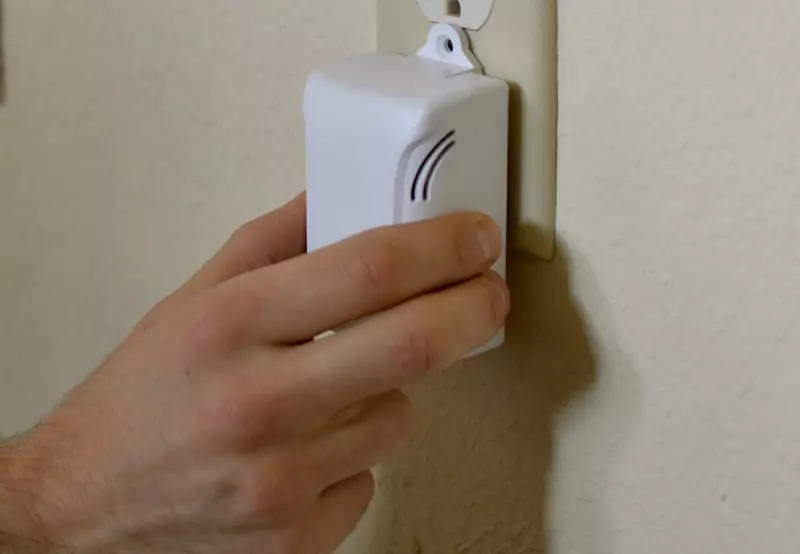
Property monitoring matters because remote hosts can’t physically inspect a property every week. Smart thermostats, noise monitoring devices, water leak sensors, exterior security cameras, and smoke detector alerts notify you before a small problem turns into an expensive one — catching a leaking pipe within an hour is a lot cheaper than discovering it three days later after real water damage.
Building a Reliable Local Team
Technology doesn’t replace people — it helps good people work more efficiently. Every successful remote Airbnb business depends on dependable local partners.
Your professional cleaner is often the most important person in your business after your guests, functioning as your eyes inside the property. Ask them to upload timestamped photos, report damage immediately, check inventory, test appliances, and confirm the smart lock works. The more standardized their checklist — the kind covered in our full Airbnb cleaning checklist template — the fewer surprises you’ll run into.
A maintenance technician matters because small issues rarely stay small. A loose door handle today can become a bad review tomorrow. Build relationships with a plumber, electrician, HVAC technician, handyman, appliance repair specialist, and locksmith before something breaks — waiting until an emergency usually means paying more and waiting longer.
Backup vendors protect you from the mistake a lot of first-time remote hosts make — relying on a single cleaner or handyman. People get sick, cars break down, schedules change. Having a backup who already understands your property can save an entire fully-booked holiday weekend.
How to Automate Guest Communication
One of the biggest myths about automation is that it makes communication feel robotic. In reality, thoughtful automation often creates a better experience, because messages arrive exactly when guests need them.
Think about what guests ask most often, then answer proactively instead of waiting. If guests regularly struggle finding the entrance after dark, include a photo of the front door in the arrival message. If parking causes confusion, attach a simple map before check-in. Small details like this reduce back-and-forth while making guests feel genuinely taken care of.
Automation also keeps things consistent — every guest gets the same clear instructions whether they arrive Tuesday afternoon or midnight on a holiday weekend, a workflow covered step-by-step in our guide to automating Airbnb messages.
A digital guidebook covering Wi-Fi details, smart TV instructions, appliance guides, house rules, nearby groceries, local restaurants, emergency contacts, and recommended attractions lets guests self-serve instead of messaging you a dozen separate questions.
Workflow Automation for Airbnb Hosts
The most successful remote operators don’t automate individual tasks — they automate entire processes.
Picture a new reservation confirming: the booking appears on your calendar, your cleaner receives the checkout schedule, a cleaning task gets created, maintenance reminders generate if needed, guest messaging kicks off automatically, a smart lock code gets scheduled, and a review request prepares itself for after checkout. Nothing gets forgotten, because every step follows the same proven process.
This matters even more as you add properties — managing one rental manually is doable, but managing five or ten without standardized workflows becomes overwhelming fast, a scaling challenge covered more broadly in our guide to the best short-term rental software.
Managing Cleaners From Anywhere
Ask experienced hosts what makes or breaks a remote operation, and cleaning comes up almost every time. Guests forgive plenty of minor issues, but they rarely overlook poor cleanliness — great photos and competitive pricing don’t survive a guest walking in to dust or an unmade bed.
Remote hosts treat housekeeping as a system, not a task. Every cleaner should follow the same checklist after each checkout — change and inspect linens, refill toiletries, test Wi-Fi, check remote batteries, inspect kitchen supplies, verify the smart lock, empty outdoor trash, and report maintenance concerns. The best operators require photo verification after every turnover — a few timestamped photos of bedrooms, bathrooms, kitchen, and outdoor space create real accountability without a host having to be there.
Modern automation tools assign cleaning jobs automatically after each reservation instead of a host sending a text every single checkout — reducing errors and making sure nobody forgets a turnover during a busy stretch.
Smart Locks and Self Check-In
Remote hosting got dramatically easier once physical keys stopped being necessary. Smart locks generate a unique access code for every reservation instead of hiding keys under flowerpots or coordinating an in-person meetup — giving contactless check-in, better security, automatic code expiration, and far fewer lockout situations.
A guest arriving at midnight after a delayed flight can get access instructions automatically and enter without needing to contact anyone locally. Guests appreciate the flexibility, and hosts appreciate the fewer interruptions — pairing a smart lock with a digital guidebook creates a genuinely seamless arrival.
How to Handle Maintenance Remotely
Maintenance is where a lot of first-time remote hosts struggle, since small issues become expensive the moment nobody notices them quickly.
Ask cleaners or co-hosts to check HVAC filters, water leaks, appliance performance, exterior condition, smoke detectors, and smart home devices during regular visits — preventive maintenance almost always costs less than an emergency repair. And build the vendor relationships (plumber, electrician, HVAC tech, handyman, pest control, appliance repair) before an emergency, not during one — fast response protects both the guest experience and the review that follows.
Using an Airbnb Co-Host Effectively
Many remote hosts eventually bring on an Airbnb co-host to help with guest communication, emergency response, property inspections, cleaner coordination, maintenance oversight, and restocking supplies.
A co-host becomes especially valuable if you own multiple properties, your rental sits several hours away, you genuinely can’t respond quickly, or you’re actively scaling the portfolio. There’s a real trade-off — co-hosts add expense — but they also protect reviews and free up meaningful time. In high-demand U.S. markets like Scottsdale, Nashville, Orlando, and the Smoky Mountains, plenty of successful investors treat a local co-host as part of the growth strategy from day one.
Best Airbnb Property Management Software
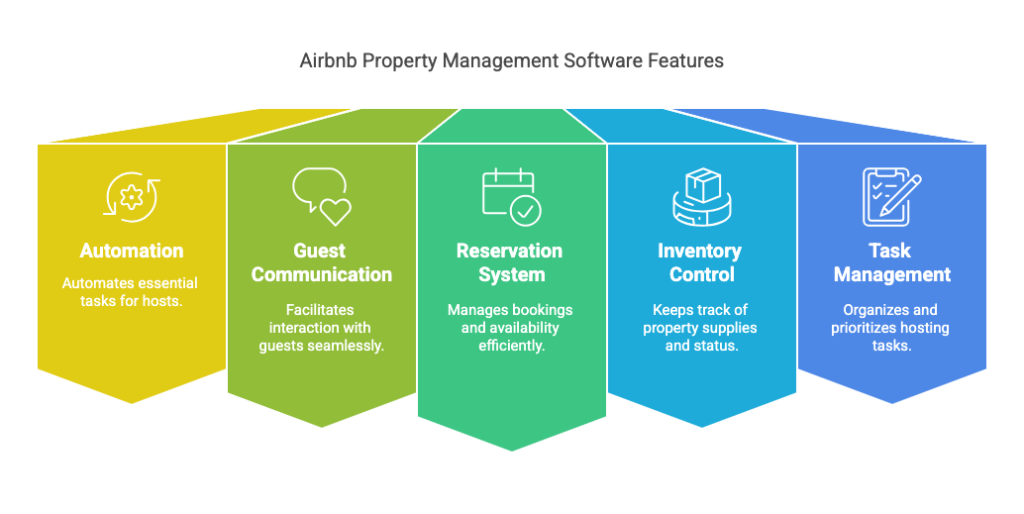
Technology is the backbone of modern remote hosting, and choosing the right software depends on your portfolio size, budget, and operating style. Some tools focus purely on messaging and automation. Others handle pricing, channel management, direct bookings, and reporting — a decision covered in real depth in our Hostaway vs Guesty comparison.
Worth prioritizing: a unified booking calendar, automated guest messaging, channel manager integration, cleaner scheduling, dynamic pricing tools, revenue reporting, smart lock integration, and direct booking support. The goal was never replacing human service — it’s removing repetitive tasks so you can focus on strategy, guest experience, and growth instead.
Mistakes Remote Hosts Commonly Make
Relying on one person — depending entirely on a single cleaner or contractor creates real risk. Always keep a backup contact ready.
Automating too early — automation works best once you actually understand your guest journey. Fix the operational problem first, then automate the fix.
Ignoring local regulations — short-term rental rules vary significantly between cities and counties, and staying current on permits, taxes, and local requirements matters more the further away you live from the property.
Delayed guest responses — even with automation running, guests still expect timely support for anything genuinely unusual. Strong systems combine automation with real human oversight, not one instead of the other.
No standard operating procedures — if instructions only exist in your head, scaling becomes genuinely difficult. Document cleaning, maintenance, emergencies, and guest support the same way covered in our Airbnb amenities checklist, so nothing depends on memory.
Expert Tips for Scaling Remote Airbnb Operations
Hosts managing one property remotely think differently than hosts managing ten — and the difference usually isn’t effort, it’s systems.
Build processes before expanding — if operations already feel chaotic with one property, adding more units just creates bigger problems faster. Track performance metrics regularly: occupancy rate, average daily rate, revenue per available night, guest review scores, cleaning costs, and maintenance expenses — numbers reveal opportunities a lot faster than gut feeling does. And keep investing in guest experience even from a distance — fast communication, smooth self check-in, a clean property, a helpful guidebook, and thoughtful local recommendations all lead to better reviews and more repeat bookings, regardless of how far away the host actually is.
The Future of Vacation Rental Automation
The next generation of remote hosting leans even further into automation — dynamic pricing, revenue management, guest messaging, smart home integration, maintenance tracking, and predictive analytics are all maturing quickly. According to industry coverage from Skift, AI-assisted guest communication in particular is becoming standard across professional operations rather than a novelty.
But technology alone won’t create a successful rental. Hosts who combine automation with genuine hospitality, reliable local teams, and strong operational systems will keep outperforming the ones chasing tech for its own sake. The future belongs to hosts building actual businesses, not just listings.
Frequently Asked Questions
Can you manage Airbnb remotely?
Yes. Many hosts successfully manage properties from another city or state using automation tools, smart locks, reliable cleaners, property management software, and local service providers.
How do remote Airbnb hosts handle cleaning?
Remote hosts typically work with local cleaners, use standardized checklists, require photo verification, and automate scheduling after each booking.
What software helps manage Airbnb remotely?
Popular tools include channel managers, guest messaging systems, dynamic pricing software, smart lock integrations, and full vacation rental management platforms — the U.S. Small Business Administration also offers general guidance on managing a business remotely that applies well beyond short-term rentals specifically.
Do I need a co-host?
Not always. A co-host becomes more valuable when you own multiple properties, live far away, or want local support for emergencies and inspections.
Conclusion
Learning how to manage an Airbnb remotely is less about being available every hour of the day and more about building systems you can actually trust. Successful remote hosts combine technology, automation, local partnerships, and documented workflows to deliver a consistent guest experience — smart locks, cleaning processes, digital guidebooks, maintenance plans, and the right software all working together so the property runs smoothly whether the owner is ten minutes away or a thousand miles away.
The hosts who thrive at this aren’t necessarily working the hardest. They’re the ones who built a system once, refined it a few times, and then let it keep running without needing to be reinvented every single week.

Leave a Reply