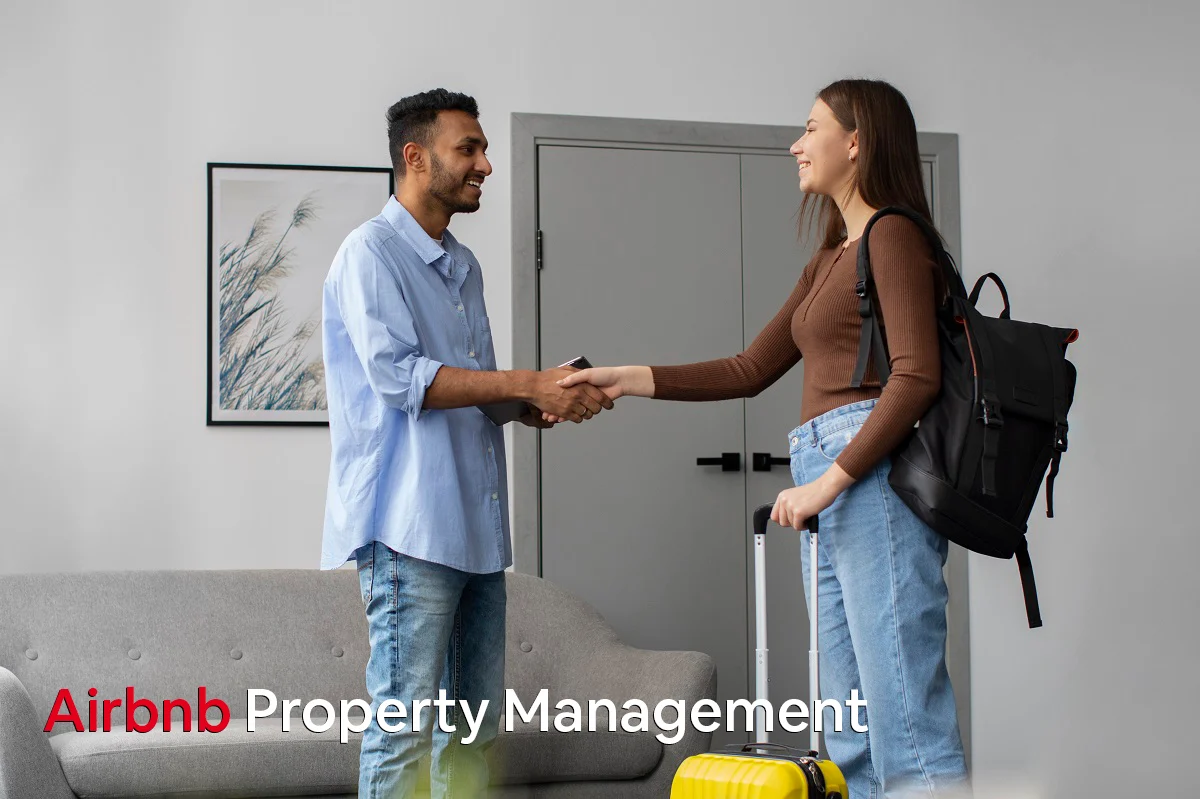
An Airbnb property manager sits at the center of two very different conversations. Property owners search the term wondering whether handing off day-to-day operations is worth the fee it costs. Meanwhile, a growing number of people search the same phrase from the opposite direction — wondering whether managing other people’s short-term rentals could become a real business of their own. This guide covers both sides properly, since conflating them is exactly what makes so much online advice about “Airbnb property managers” confusing to actually use.
Quick Answer
An Airbnb property manager handles the day-to-day operations of a short-term rental on behalf of the owner — guest communication, cleaning coordination, pricing, and maintenance — typically for a fee ranging from 10% to 30% of booking revenue, depending on the scope of service and property type. Whether hiring one makes sense depends on how many properties you own, how far you live from them, and how much of your time hosting is actually costing you. On the other side, becoming an Airbnb property manager is a genuine, low-capital business path for people with strong organizational and hospitality skills, though it typically starts with managing one or two properties before scaling into a real portfolio.
What Does an Airbnb Property Manager Do?
An Airbnb property manager operates a short-term rental on the owner’s behalf, generally handling guest communication and booking management, cleaning and turnover coordination, pricing and revenue management, maintenance oversight, and listing optimization across photos, descriptions, and amenities. Some managers cover the complete operation end to end; others offer more limited services — guest messaging only, or cleaning coordination without pricing involvement — depending on what the owner actually needs.
This is functionally similar to what an Airbnb co-host provides, though the terms often signal a difference in scale. “Co-host” tends to describe a more informal or single-property arrangement, while “property manager” or “management company” more often implies a formal business managing multiple properties for multiple owners, with more structured contracts and reporting. The Vacation Rental Management Association, the industry’s main trade group, offers a useful reference point for what professional standards in this field typically look like.
Airbnb Property Management Fees: What’s Actually Reasonable
Airbnb property management fees vary considerably based on service scope, and understanding the tiers helps set realistic expectations before shopping around.
Guest messaging and communication only — the lightest tier of service — typically runs 5-10% of booking revenue, covering just the guest-facing side without cleaning coordination or pricing management.
Cleaning coordination added on top generally pushes the fee into the 10-15% range, since the manager now handles vendor relationships and turnover scheduling alongside communication.
Full operational management — messaging, cleaning, pricing, maintenance oversight, and listing optimization together — commonly runs 15-25% of revenue, reflecting the comprehensive scope of responsibility involved.
Premium, full-service management for luxury properties or complex multi-owner portfolios can reach 25-35%, particularly when the service includes detailed owner reporting, revenue guarantees, or dedicated account management.
Some management companies charge flat monthly fees instead of a percentage, particularly for lower-touch services, while others use a hybrid model combining a smaller percentage with a modest monthly retainer. Comparing offers purely on percentage without confirming exactly what’s included in that fee often leads to unpleasant surprises later.
How Much Do Airbnb Property Managers Charge? Factors That Move the Number
Property location and complexity. A high-turnover urban apartment requires different management intensity than a large vacation home with a pool, hot tub, and extensive outdoor space — and fees generally reflect that difference in actual workload.
Number of properties under management. Owners with multiple properties can sometimes negotiate a lower percentage in exchange for volume, since the manager’s fixed costs (software, staff time) spread more efficiently across a larger portfolio.
Local market rates. Property management fees in competitive vacation rental markets, where many management companies compete for the same owners, can differ meaningfully from fees in markets with fewer established management options.
Included services versus add-ons. Some management fees include everything; others charge separately for professional photography, deep cleaning, or maintenance coordination beyond routine issues — always confirm the full scope before comparing percentages across companies.
Do I Need a Property Manager for Airbnb?
The honest answer depends on a few specific factors rather than a universal rule.
Distance from the property matters enormously — an owner managing a rental remotely, hours or states away, has a much stronger case for professional management than someone who can personally check on a property within a short drive.
Number of properties shifts the calculation too. A single listing is genuinely manageable solo for most owners with reasonable time availability. Three or more properties, especially across different markets, tends to strain a self-managed operation quickly, particularly around coordinating cleaning schedules and handling simultaneous guest issues.
Value of your own time deserves honest consideration. An owner earning significantly more from their primary career than the percentage a property manager would charge often comes out ahead financially by paying for management and reinvesting the freed-up time elsewhere, even though it feels counterintuitive to voluntarily give up a meaningful revenue percentage.
Comfort with hospitality operations matters beyond the pure math. Some owners genuinely enjoy guest interaction and hands-on management; others find it a source of ongoing stress regardless of the financial trade-off, which is a legitimate factor even when the numbers alone might suggest self-management makes more sense.
For owners leaning toward self-management, tools like property management software can close much of the operational gap that would otherwise justify hiring outside help, particularly for owners managing just one or two properties.
How to Become an Airbnb Property Manager
For those approaching this from the opposite direction — building a business managing properties for other owners — the path in doesn’t require formal certification, but it does require real operational skill and a track record that owners can actually verify.
Start by managing your own property well, or a friend’s, before marketing services broadly. A demonstrated track record — even a small one — matters far more to a prospective client than credentials or a polished pitch alone.
Build genuine expertise in the core functions owners actually pay for: guest communication, cleaning coordination, pricing strategy, and basic maintenance troubleshooting. Familiarity with property management software and dynamic pricing tools becomes a real differentiator once managing more than a couple of properties, since manual coordination stops scaling past that point.
Network directly with property owners rather than waiting for inbound interest — local real estate investor groups, short-term rental host communities, and direct outreach to owners who seem overwhelmed by self-management (visible through inconsistent response times or reviews mentioning communication issues) all provide realistic entry points.
Formalize contracts and expectations early, even for a first client. A simple written agreement covering scope of service, fee structure, and decision-making authority protects both the manager and the owner, and signals professionalism that pure verbal arrangements don’t. The Small Business Administration provides general guidance on formalizing a service business, including basic contract and licensing considerations worth reviewing early.
Price your services based on actual scope, not the lowest number that wins a client. Underpricing to land early business is common, but consistently produces burnout once the workload of full management catches up with a fee that was never sustainable for the actual time involved.
How Much Do Airbnb Property Managers Make?
Earnings for a property manager depend heavily on how many properties they manage and what percentage they charge. A manager handling three properties at a 20% fee, with each property generating $3,000 in monthly booking revenue, would earn roughly $1,800 monthly before their own expenses — software subscriptions, any subcontracted cleaning coordination, and time invested. That income scales meaningfully with portfolio size, which is exactly why many successful property managers focus on growing their client base methodically rather than staying at one or two properties indefinitely.
Larger, more established management companies — those overseeing dozens or hundreds of units — operate at a different scale entirely, often requiring the kind of enterprise software and team structure covered in our comparison of Hostaway and Guesty, since coordinating that many properties manually stops being realistic well before reaching that size.
Common Mistakes on Both Sides of This Decision
Owners hiring the first manager they find without checking references or reviews from other property owners — a property manager’s track record with existing clients tells you far more than a polished sales pitch.
Owners comparing management fees purely by percentage without confirming exact scope of service, leading to unexpected additional charges for photography, deep cleaning, or maintenance coordination assumed to be included.
New property managers underpricing services to win early clients, creating an unsustainable business model that either burns them out or forces an uncomfortable price increase once clients are already onboard.
New property managers taking on more properties than they can realistically service well, damaging their reputation with early clients before the business has a chance to build the referral base that sustains long-term growth.
Frequently Asked Questions
How much does an Airbnb property manager typically cost?
Fees generally range from 10% to 30% of booking revenue, depending on service scope — lighter services like guest messaging alone run lower, while full operational management including pricing, cleaning, and maintenance runs higher.
Do I need a property manager if I only own one Airbnb?
Not necessarily. A single property is often manageable solo, especially with property management software handling some of the coordination burden, unless you live far from the property or genuinely don’t have the time to manage guest communication and cleaning reliably.
How do I become an Airbnb property manager with no experience?
Start by managing a property well — your own or a friend’s — to build a real track record, develop familiarity with core software tools, and network directly with local property owners rather than waiting for clients to find you.
What’s the difference between a property manager and a co-host?
The terms overlap considerably, but “co-host” often implies a smaller-scale, more informal single-property arrangement, while “property manager” tends to describe a more formal business managing multiple properties for multiple owners with structured contracts.
Is hiring an Airbnb property manager worth the fee?
For owners managing properties remotely, owning multiple listings, or whose time is worth more than the management percentage, it frequently is. For a single nearby property with an owner who enjoys hands-on hosting, self-management often makes more financial sense.
Conclusion
Whether you’re weighing whether to hire an Airbnb property manager or considering becoming one yourself, the decision comes down to the same underlying math: what does the service actually cost, and what does it actually deliver in return — freed-up time on one side, real income potential on the other. Neither path is universally right, and the honest answer depends on property count, distance, personal time value, and how much genuine hospitality operations appeal to you as work rather than obligation.
Get clear on those specifics before signing a management contract or launching a management business, and the decision becomes considerably more straightforward than the range of fees and advice online might initially suggest.


Leave a Reply