Running a successful vacation rental today involves much more than creating a listing and waiting for bookings. Between guest communication, dynamic pricing, cleaning coordination, calendar syncing, and owner reporting, hosts need systems that keep working even when they’re offline.
That’s why finding the best short term rental software has become one of the more important decisions Airbnb operators in the U.S. make. The right platform saves time, reduces mistakes, increases occupancy, and creates a smoother experience for guests and co-hosts alike.
Quick Answer
The best short term rental software depends on portfolio size: solo hosts with 1–3 properties do well with simple, affordable tools focused on messaging and calendar sync; growing operators with 5–20 listings need a full management platform with team coordination and cleaning workflows; and professional managers with 20+ properties need enterprise systems built for multi-owner accounting and API integrations. Popular platforms hosts frequently consider include Guesty, Hostaway, Hospitable, Lodgify, OwnerRez, and Hostfully — the right one comes down to growth stage, not popularity.
Whether you manage one cabin in the Smoky Mountains or fifty urban apartments across multiple cities, this guide breaks down what actually matters, which features are worth paying for, and how to choose software that matches your growth plans.
Why Modern Hosts Need More Than Airbnb’s Native Tools
Airbnb has improved its built-in features over the years, but plenty of hosts eventually outgrow the platform’s native capabilities. As a portfolio expands, operational complexity grows fast — managing cleaners through text messages, updating rates by hand, and personally answering every inquiry becomes unsustainable pretty quickly.
The best short term rental software centralizes all of that into one system, automating guest messaging, calendar sync across platforms, dynamic pricing, cleaning schedules, maintenance requests, owner payouts, financial reporting, team permissions, and smart lock integrations. For U.S. hosts operating in seasonal markets specifically, that automation also reduces revenue volatility by keeping pricing competitive year-round — something covered in more depth in our guide to pricing an Airbnb listing.
Essential Features to Look for in Vacation Rental Management Software
Not all vacation rental management software is built for the same type of host — some are designed for single-property operators, others for large management companies. Before committing to any platform, evaluate these core capabilities.
Channel management should synchronize calendars instantly across Airbnb, VRBO, direct booking websites, and other channels. Double bookings damage your reputation and lead to expensive cancellations — reliable channel management is what actually prevents that, a topic covered fully in our guide to what a channel manager does.
Automated guest communication should handle booking confirmations, check-in instructions, house rules reminders, review requests, checkout procedures, and mid-stay support. Personalization still matters, but automation handles the repetitive work efficiently.
Dynamic pricing tools adjust nightly rates based on local demand, holidays, events, occupancy trends, seasonal changes, and competitor pricing. Hosts relying solely on fixed pricing consistently leave real revenue on the table.
Cleaning and maintenance coordination helps cleaning teams understand arrival schedules, departure times, property-specific instructions, supply requirements, and maintenance concerns — the exact workflow covered in our Airbnb cleaning checklist template.
Financial reporting matters more than hosts expect until tax season arrives with transactions scattered across five different systems. Strong reporting gives you revenue summaries, expense tracking, occupancy reports, owner statements, and monthly performance dashboards — increasingly important for American hosts managing multiple properties or LLC structures, and directly tied to understanding what Airbnb actually charges hosts in the first place.
The Best Short Term Rental Software Platforms in 2026
One of the biggest frustrations with software roundup articles is generic advice with no actual names attached. While the right platform genuinely depends on portfolio size and operational goals, a handful of solutions consistently come up in conversations among experienced hosts: Guesty, Hostaway, Hospitable, Lodgify, OwnerRez, and Hostfully.
The best choice comes down to growth plans, automation requirements, and management complexity — not popularity alone.
| Host Type | Recommended Solution | Primary Focus |
|---|---|---|
| 1–3 Properties | Simple PMS + automation tools | Ease of use |
| 5–20 Listings | Full management platform | Team coordination |
| 20+ Properties | Enterprise systems | Scalability |
| Co-Hosting Businesses | Owner management solutions | Reporting and permissions |
Understanding where your business fits today — and where it might be in two years — helps avoid an expensive migration down the road.
All-in-One Property Management Systems
Comprehensive systems work best for operators planning genuine long-term growth. These platforms typically combine booking management, dynamic pricing, automated messaging, financial reporting, team management, owner statements, and direct booking capability. The trade-off is a steeper learning curve and a higher monthly cost — a decision covered in real depth in our Hostaway vs Guesty comparison. For businesses managing more than five listings, though, the efficiency gains often justify it.
Specialized Airbnb Property Management Tools
Some operators skip the all-in-one route entirely and build a customized stack instead — one tool for pricing, another for messaging automation, separate software for cleaning coordination, and an independent accounting system. This gives more flexibility but takes more setup and ongoing maintenance, and generally works best for experienced hosts with mature processes already in place.
Solutions Built for Co-Hosting Businesses
Co-hosts managing multiple owners face a different set of challenges entirely — owner dashboards, revenue-sharing calculations, multi-user permissions, maintenance workflows, and performance reporting all matter here. Software built specifically for owner relationships reduces administrative burden while genuinely strengthening trust with investors.
How to Identify the Best PMS for Airbnb Hosts
Property management systems vary dramatically in complexity, and the best PMS for Airbnb hosts depends far more on operational need than on brand popularity.
Solo hosts with one to three properties usually do best with simple solutions — easy onboarding, affordable pricing, calendar sync, automated messaging, and basic reporting. Overcomplicated systems create friction here more than they solve problems.
Growing operators with five to twenty listings typically need a dedicated management platform with team collaboration, cleaning coordination, dynamic pricing integration, direct booking support, and stronger financial reporting. Growth naturally creates bottlenecks that the right software should eliminate.
Professional property managers need software that functions as real operational infrastructure — multi-owner accounting, advanced team permissions, API integrations, revenue analytics, maintenance workflows, white-label capability, automated owner statements, and performance dashboards. At this stage, the software decision directly affects profitability and scalability, and the wrong platform can genuinely cap your growth.
Common Mistakes Hosts Make When Choosing Software
Choosing based only on monthly cost. Saving $50 a month means little if inefficient processes cost hundreds in lost bookings or operational mistakes. Weigh software against hours saved, revenue improvement, reduced staffing needs, and guest satisfaction — the cheapest option isn’t always the most affordable one in practice.
Ignoring scalability. A system that works fine for two properties can become genuinely frustrating at ten. Think about where the business will be in two years, not just where it stands today — platform migrations eat time, money, and energy that’s better spent elsewhere.
Overlooking customer support. Vacation rentals run continuously, and technical issues rarely happen during convenient business hours. Responsive support becomes invaluable during a holiday weekend or peak travel season specifically.
Paying for features you’ll never use is the opposite mistake, and it happens just as often — some hosts buy enterprise-level solutions loaded with complexity they don’t need yet. Focus on solving the problem you actually have, while leaving reasonable room to grow into more later.
Building Your Ideal Technology Stack
Not every host needs an all-in-one solution. Many successful operators combine specialized systems into a workflow that fits them specifically — a central PMS for reservations and calendars, dynamic pricing software, smart lock integrations, automated messaging tools, an accounting platform, and a direct booking website system, potentially including a tool like the one covered in our Lodgify review.
The goal was never using more technology for its own sake — it’s eliminating the repetitive tasks that quietly eat up your week. Every piece of automation should be solving a real operational problem, not just adding another dashboard to check.
Recommended Software Based on Property Size
One to three properties: easy onboarding, automated messaging, calendar sync, affordable pricing, basic reporting. Simplicity beats complexity at this stage almost every time.
Five to ten listings: team collaboration features, dynamic pricing integrations, cleaning coordination, owner reporting, direct booking capability. Growth creates new demands the software needs to actually address.
Twenty or more properties: multi-user permissions, financial automation, API access, white-label options, maintenance management, advanced analytics. At this scale, software genuinely becomes business infrastructure rather than a convenience.
What the Future Looks Like for Short-Term Rental Software
The next generation of vacation rental technology leans heavily into automation and operational intelligence. According to industry analysis from Skift, AI-powered guest communication is one of the clearer trends here — systems that answer common guest questions naturally while escalating anything complex to an actual human, cutting response time without losing the personal touch entirely.
Predictive revenue management is moving pricing tools from reactive to proactive, anticipating demand shifts before they actually happen rather than adjusting after the fact.
Unified operations dashboards are consolidating bookings, maintenance requests, financial performance, team coordination, guest communication, and smart home systems into one place, since fragmented workflows create inefficiency that adds up fast across a growing portfolio.
Greater direct booking support reflects a broader push toward owning the customer relationship — direct reservation websites, email marketing, guest loyalty programs, and CRM capability all reduce dependence on marketplace platforms over time.
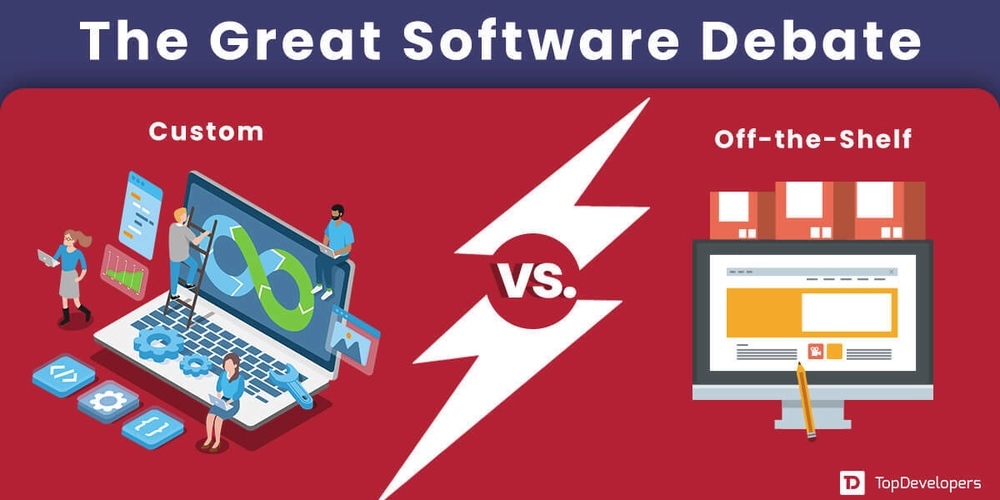
Which Software Setup Is Right for You?
Choose simple tools if: you manage fewer than three properties, your automation needs are relatively basic, budget matters more than advanced functionality, you handle most operations personally, and your growth plans are modest.
Choose a full PMS if: you manage multiple listings, cleaners and co-hosts need real coordination, owner reporting matters, revenue optimization is a priority, and scaling the business is an actual objective rather than a someday-maybe.
Choosing the right level of complexity matters just as much as choosing the right platform itself.
Frequently Asked Questions
What is the best short term rental software for beginner Airbnb hosts?
Beginners usually benefit from simple platforms offering automated messaging, calendar synchronization, and straightforward reporting. Ease of use matters more than enterprise-level capability at this stage.
Do I need vacation rental management software if I only have one property?
Not necessarily, but even single-property hosts can save real time through automation — guest communication, pricing adjustments, and cleaning coordination all get considerably easier with dedicated tools.
What is the best PMS for Airbnb hosts managing multiple listings?
The best PMS for Airbnb hosts generally includes channel management, team permissions, financial reporting, owner statements, and dynamic pricing integrations, with scalability as a major consideration throughout.
Can Airbnb property management tools increase revenue?
Yes. Effective tools help optimize pricing, reduce vacancies, improve guest experience, and cut down on the operational mistakes that quietly eat into profitability.
Are all-in-one platforms better than separate software solutions?
It depends on management style. All-in-one systems offer convenience and integration, while specialized tools offer flexibility and customization — the right approach depends on business complexity and where you’re trying to grow.
Choosing Software That Supports the Business You Want to Build
There’s no single “best” platform sitting at the top of every list — the right software is whichever one removes friction from your actual daily operations and frees up time for guests, growth, and profitability instead of admin work.
Start by naming your biggest operational headache honestly — guest communication, pricing, cleaning coordination, financial reporting, owner management, whichever one it is. Solve that problem first, then build the rest of the stack around where the business is actually heading, not where it happens to sit today.
Hosts investing in software at this stage should also make sure the fundamentals are solid — how to start a short-term rental the right way, a real cleaning workflow, and an Airbnb amenities checklist that supports a consistent guest experience. None of these systems work in isolation — they’re only as strong as the operation they’re supporting underneath

Leave a Reply