If you’ve ever wondered whether you can build an Airbnb business without buying a property, you’re not alone. One of the fastest-growing strategies among entrepreneurs is rental arbitrage. Understanding what is rental arbitrage can help you decide whether it’s a smart path to generating income through short-term rentals without the massive upfront investment of real estate ownership.
Quick Answer
Rental arbitrage means leasing a property long-term from a landlord, furnishing it, and legally renting it out on platforms like Airbnb — with the landlord’s explicit written permission — to profit from the gap between what you pay in rent and what the property earns in bookings. Most operators budget $8,000–$15,000 to launch one unit, and the model works best in markets with strong year-round demand and clear short-term rental regulations. A well-drafted rental arbitrage lease agreement is non-negotiable here — this is a legal document, and the guidance below is general information, not legal advice. Always have a real estate attorney review your specific lease before signing.
At its core, rental arbitrage allows you to lease a property long-term, furnish it, and legally rent it out for a profit. For many aspiring hosts, it offers a lower barrier to entry and a faster way to scale — but success depends on understanding the rules, managing risk, and building systems that deliver a genuinely good guest experience.
This guide breaks down exactly what rental arbitrage is, how it works, what legal agreements matter, how to get started, and whether the model still makes sense for U.S. hosts in today’s market.

What Is Rental Arbitrage and How Does It Work?
The simplest answer to what is rental arbitrage and how does it work is this: you rent a property from a landlord and operate it as a short-term rental business, with the landlord’s explicit permission.
Your income comes from the gap between the monthly rent you pay, your operating expenses (utilities, cleaning, supplies, platform fees), and the revenue your bookings generate. If a furnished apartment costs $2,200 a month and produces $4,500 in monthly Airbnb revenue, whatever’s left after expenses is your profit.
The model resembles business leasing more than traditional real estate investing — instead of owning the asset, you’re operating a hospitality company inside someone else’s property.
The Basic Rental Arbitrage Formula
Successful operators focus on four numbers: monthly lease payment, average nightly rate, expected occupancy percentage, and total operating costs. The goal is straightforward — generate revenue that comfortably clears expenses through both peak and off-seasons, not just the good months.
Why Entrepreneurs Choose Rental Arbitrage
Hosts pursue this model for lower startup costs than buying property, faster expansion, reduced exposure to housing market swings, more flexibility to exit an underperforming market, and the ability to test a location before committing to ownership. For entrepreneurs looking at Airbnb without owning property, rental arbitrage offers one of the lowest barriers to entry available.
Why Rental Arbitrage Became Popular in the U.S.
Several trends accelerated this strategy at once. Remote work increased travel flexibility. Families started preferring larger accommodations over cramped hotel rooms. Business travelers wanted comfortable, home-like spaces. At the same time, rising home prices made ownership harder to reach for a lot of aspiring investors — rental arbitrage offered a practical alternative.
Markets that often support strong performance include business travel hubs, college towns, medical centers, tourist destinations, convention cities, and areas hosting major sporting events. That said, profitability depends heavily on regulation and competition — a market with strong tourism but restrictive short-term rental policy can easily underperform a smaller city with clearer rules and lower costs, which is exactly why checking short-term rental regulations by city should happen before you ever sign a lease, not after.
Airbnb Arbitrage: How to Start
People searching for airbnb arbitrage how to start often jump straight to furnishings and listings. Real success starts much earlier than that.
Step 1: Research local regulations. Before signing any lease, verify short-term rental legality, licensing requirements, occupancy taxes, HOA restrictions, zoning rules, and minimum-stay regulations. Ignoring local law can shut an operation down before it ever turns a profit.
Step 2: Find landlord-friendly opportunities. Not every property owner welcomes short-term rentals. Look for landlords who understand hospitality businesses, appreciate a guaranteed long-term tenant, value professional management, and prefer consistent cleaning and upkeep. Many successful operators position themselves as business partners rather than typical renters.
Step 3: Create a professional business proposal, including expected guest profiles, insurance coverage details, cleaning procedures, noise-monitoring systems, security measures, and the revenue reliability you’re offering the landlord. Professionalism often matters more here than offering slightly higher rent.
Step 4: Furnish for the guest experience, not just the budget. Guests remember a comfortable mattress, fast Wi-Fi, a functional workspace, quality kitchen equipment, cohesive design, and easy self-check-in — the same priorities covered in our Airbnb amenities checklist. An extra $1,000 spent in the right places can generate stronger reviews and higher nightly rates for years.
Step 5: Build systems before scaling. Managing one unit manually is doable. Managing five without systems becomes chaotic fast. Build repeatable processes for guest communication, cleaning coordination, maintenance requests, pricing adjustments, inventory, and review responses — automation matters more the further you scale, which is exactly what the best short-term rental software is built to handle.
Rental Arbitrage vs Property Ownership
| Factor | Rental Arbitrage | Property Ownership |
|---|---|---|
| Startup Capital | Lower | Higher |
| Asset Ownership | No | Yes |
| Monthly Flexibility | Greater | Lower |
| Mortgage Required | No | Usually Yes |
| Scalability | Faster | Slower |
| Long-Term Appreciation | None | Yes |
| Regulatory Risk | Higher | Moderate |
| Cash Flow Potential | Strong | Strong |
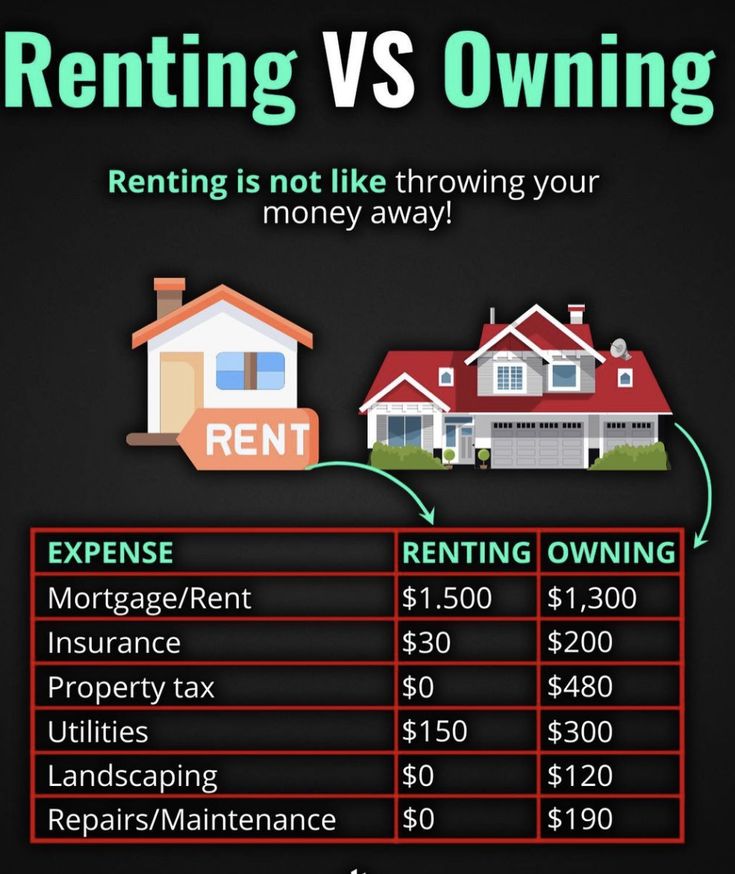
Neither strategy is universally better — the right choice depends on personal goals, risk tolerance, and available capital, a decision covered from a different angle in our short-term vs long-term rental comparison.
The Importance of a Rental Arbitrage Lease Agreement
The single most important document in this whole business model is the rental arbitrage lease agreement. Without explicit written permission, listing a leased property on Airbnb can violate your lease terms and create serious legal exposure — this is genuinely one area where cutting corners can end the business entirely.
A comprehensive agreement typically addresses permission for short-term rental activity, maximum occupancy limits, insurance requirements, revenue-sharing arrangements, maintenance responsibilities, furnishing expectations, guest conduct standards, and property access procedures. Everything needs to be documented clearly — a verbal agreement rarely holds up when you’re operating an actual hospitality business inside someone else’s asset.
Some operators negotiate master leases with broader rights — multi-year terms, subleasing rights, fixed rent escalations, early termination clauses, and clear performance expectations. Longer lease terms generally create more business stability.
Landlords and operators tend to worry about different things. Owners worry about property damage, neighbor complaints, excessive wear, regulatory compliance, and insurance risk. Operators worry about sudden policy changes, lease cancellations, restrictions on business activity, and market instability. A well-structured agreement protects both sides and sets clear expectations from day one — worth confirming with a local real estate attorney rather than relying on a generic template alone.
Airbnb Without Owning Property: Other Options Besides Arbitrage
Rental arbitrage isn’t the only route to short-term rental income without buying real estate.
Co-hosting — managing properties on behalf of owners for a percentage of revenue, covering guest communication, cleaning coordination, pricing, maintenance oversight, and listing optimization. This requires very little startup capital.
Property management companies oversee multiple vacation rentals for fees typically running 10% to 30% of revenue, shifting focus away from ownership entirely toward hospitality operations — a role that increasingly depends on the same platforms covered in our Hostaway vs Guesty comparison.
Revenue-sharing partnerships involve owners providing the property while operators bring marketing, technology, guest services, pricing expertise, and operational management, with profits split by negotiated agreement.
Among all of these, rental arbitrage offers arguably the greatest control over branding, operations, and profitability — but it also carries more financial responsibility and operational risk. For entrepreneurs specifically after Airbnb without owning property, arbitrage tends to sit as a balanced middle ground between full ownership and pure service-based management.
Rental Arbitrage Costs, Risks, and Profit Potential
Social media loves portraying rental arbitrage as effortless passive income. The reality is considerably more hands-on.
| Expense | Estimated Cost |
|---|---|
| Security deposit | $2,000–$4,000 |
| First month’s rent | $1,500–$3,000 |
| Furniture and decor | $5,000–$10,000 |
| Kitchen equipment | $500–$1,000 |
| Smart locks and technology | $300–$800 |
| Insurance and permits | Varies by market |
A realistic launch budget typically lands between $8,000 and $15,000 per property, and that’s before accounting for the short-term rental insurance a leased property genuinely needs, since a standard renters or landlord policy usually won’t cover commercial hosting activity.
Operators should prepare for seasonal occupancy swings, regulatory changes, growing competition, unexpected maintenance costs, lease non-renewals, and the occasional bad review. Cash reserves matter enormously here — businesses running without a financial buffer tend to struggle the moment a slow season hits.
The operators who last emphasize conservative revenue projections, genuinely good guest experiences, dynamic pricing, operational efficiency, and strong landlord relationships. The businesses that survive long-term are rarely the ones chasing maximum short-term profit at the expense of everything else.
Tools That Make Rental Arbitrage Easier to Manage
Running multiple units manually gets difficult fast, and the right systems are what create real consistency at scale.
Property management systems centralize calendar sync, automated guest messaging, cleaning schedules, financial reporting, and multi-channel distribution — infrastructure rather than an optional expense once you’re past a single unit.
Dynamic pricing software adjusts rates for seasonality, local events, competitor pricing, demand patterns, and occupancy goals — static pricing leaves real money on the table, a topic covered fully in our PriceLabs review.
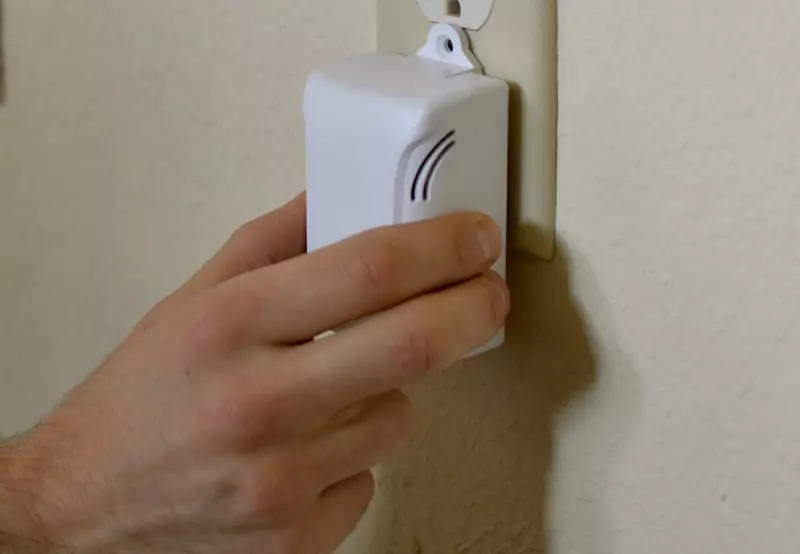
Smart home technology — keyless entry, reliable internet, smart thermostats, security monitoring, and noise-detection systems — improves guest satisfaction while also giving landlords more confidence in how the property’s being managed day to day.
Documentation templates — lease proposal templates, house rules, cleaning checklists, guest communication workflows, and maintenance procedures — make future expansion considerably easier once you’re not rebuilding every process from scratch each time.
Signs a Market Is Good for Rental Arbitrage
Not every city supports profitable arbitrage. Look for year-round travel demand, reasonable long-term rental prices, clear short-term rental regulations, a mix of business and leisure visitors, limited hotel competition, strong average nightly rates, and reliable occupancy. Markets dependent on a single event or season tend to create unnecessary volatility — diversified demand generally produces more stable income across the whole year.
Is Rental Arbitrage Right for You?
Rental arbitrage may be a good fit if: you want to enter Airbnb without buying real estate, you enjoy hospitality and guest experiences, you have strong organizational skills, you can manage real operational complexity, your market supports short-term rentals, and you want faster scalability than traditional investing allows.
Traditional ownership may be better if: long-term appreciation matters most to you, passive income is the real objective, local regulations are restrictive, you’d rather not deal with frequent guest interaction, and building equity is a major personal goal.
Neither path is inherently superior — the best strategy lines up with your financial goals and how you actually want to spend your time.
Frequently Asked Questions
Is rental arbitrage legal in the United States?
Yes, provided local regulations permit short-term rentals and your landlord explicitly authorizes the activity in the lease agreement. Rules vary significantly by city and county — the U.S. Small Business Administration offers general guidance on business registration requirements that apply regardless of location.
How much money do I need to start rental arbitrage?
Most operators spend between $8,000 and $15,000 to launch a professionally furnished unit, depending on rent, market expectations, and furnishing quality.
Can I do Airbnb without owning property?
Absolutely. Rental arbitrage, co-hosting, and professional property management all let someone participate in short-term rentals without buying real estate.
What is the biggest risk in rental arbitrage?
Regulatory changes and a poorly structured lease agreement represent the biggest risks. Operators should also prepare for seasonal demand swings and unexpected expenses along the way.
How many units should beginners start with?
One property is usually the right starting point. Mastering guest communication, cleaning systems, pricing, and operations before scaling reduces the costly mistakes that come with growing too fast.
Final Thoughts
Understanding what is rental arbitrage really means recognizing you’re building a hospitality business first, and a real estate strategy second. The model offers a genuinely practical path into Airbnb hosting without the financial barriers tied to ownership — but success depends on legal compliance, disciplined operations, strong landlord relationships, and systems that don’t fall apart the moment you add a second unit.
Starting with one carefully chosen property, a comprehensive lease agreement reviewed by an actual attorney, and professional management processes builds a far stronger foundation than chasing rapid expansion in year one. New operators should also spend time learning how to start a short-term rental the right way and get comfortable with the pricing and operational tools that make the whole thing sustainable rather than a full-time stress job.
When executed thoughtfully, rental arbitrage can become a scalable business model that delivers real cash flow, flexibility, and hard-won experience in an industry that rewards the operators who take the fundamentals seriously.

Leave a Reply