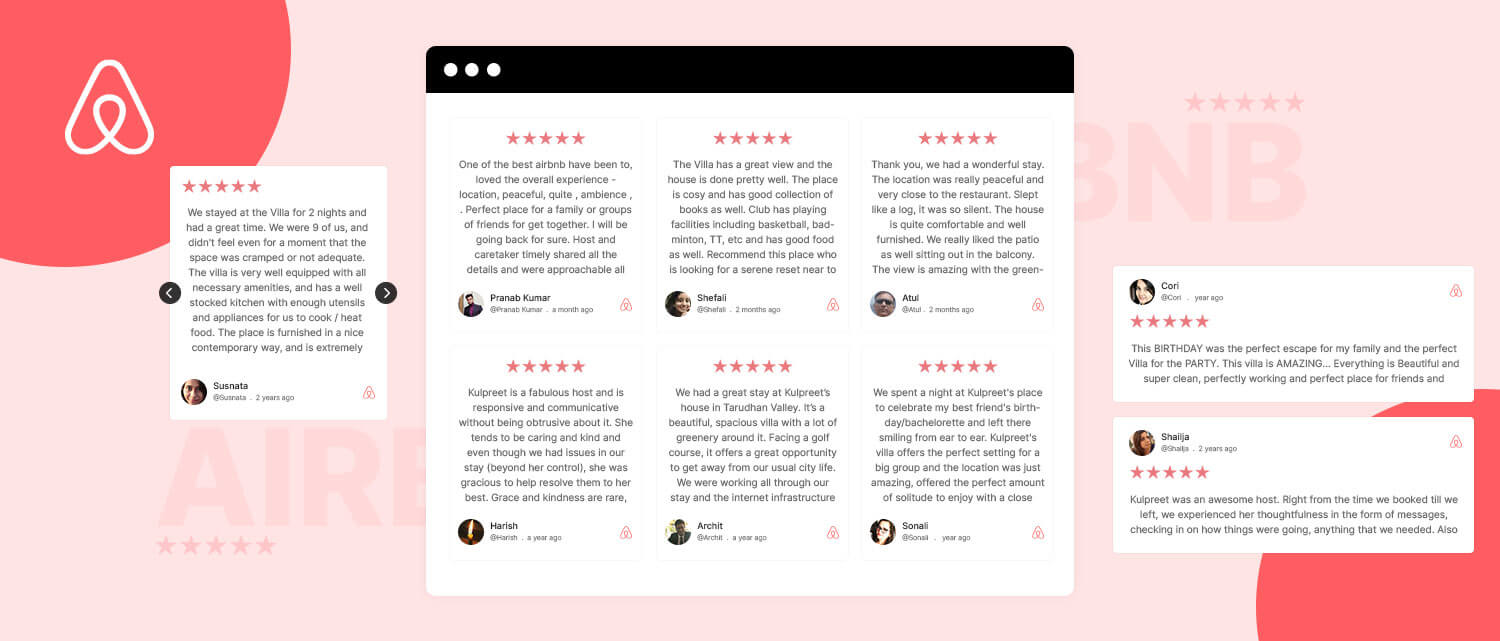
Most hosts learn how Airbnb’s review system actually works the hard way — usually right after a review they disagree with posts and they’re scrambling to figure out if there’s anything they can do about it. There is a real airbnb review policy governing what’s allowed, what gets removed, and how the whole system is structured, and understanding it before you need it puts you in a much stronger position than learning it during a dispute.
How Airbnb Reviews Actually Work
Both guest and host have 14 days after checkout to leave a review. Neither party can see the other’s review until both have submitted one, or the 14-day window closes — whichever comes first. This is a deliberate design choice meant to prevent retaliatory reviews, since you’re writing yours without knowing what the other side said.
The public overall rating guests see is a 1-5 star average, but the underlying review also includes category ratings — cleanliness, accuracy, check-in, communication, location, and value — which Airbnb uses internally and shows in aggregate on your listing. A guest can leave you 5 stars overall while rating one category lower, and it’s worth knowing this breakdown exists even though guests browsing your listing mostly see the headline number.
Reviews are permanent once both sides have submitted or the window closes — neither host nor guest can edit or delete a review after the fact. This is the detail that surprises new hosts most: there’s no simple “delete this review” button, even when a review feels unfair. What follows below is the actual process for the situations where a review genuinely can be removed.
Airbnb’s Review Guidelines: What’s Actually Allowed
Airbnb’s content policy for reviews prohibits several categories of content, and understanding these matters both for writing your own reviews and for knowing what grounds you have to report a guest’s review:
- Discriminatory content based on protected characteristics (race, religion, national origin, and similar categories)
- Content unrelated to the actual stay — reviews referencing something outside the booking itself
- Personal information about the other party disclosed without consent
- Violent, threatening, or harassing language
- Reviews written by someone who didn’t complete a booking — you can’t review a stay that didn’t happen
- Extortion — a guest threatening a bad review unless given a refund or concession they wouldn’t otherwise be entitled to
If a review violates one of these categories, it’s a genuine candidate for removal through Airbnb’s reporting process, covered below. If it’s simply a bad review reflecting a guest’s honest (if frustrating) experience, it generally isn’t — and understanding that distinction upfront saves a lot of wasted effort trying to dispute something that doesn’t qualify.
Why Reviews Matter More Than Most Hosts Realize
Beyond the obvious trust-signal effect on potential guests, reviews function as an ongoing input into your search visibility and your Superhost eligibility, since your overall rating average is one of the four core thresholds reviewed quarterly. A string of strong reviews also compounds — guests browsing similar listings tend to favor properties with a higher review count at a strong rating over one with only a handful of reviews, even at an identical star average, simply because more reviews signal more reliability.
This is part of why a single bad review early in a listing’s life can feel disproportionately damaging — with only a few reviews total, one negative one drags the average down more visibly than it would once you have fifty. This evens out over time as review volume grows, which is worth remembering if an early review feels like a bigger setback than it will actually turn out to be in six months.
The Airbnb Review Removal Policy: When You Can Actually Get One Taken Down
This is the section most hosts are actually looking for, so here’s the real process. Airbnb will consider removing a review under a specific set of circumstances, not simply because a host disagrees with it:
The review violates the content policy above. Discriminatory language, extortion, irrelevant content, or a review from someone who never completed a booking are all reportable through Airbnb’s review reporting tool, found on the review itself in your hosting dashboard.
The review references a documented extenuating circumstance. If a guest’s negative review stems from something Airbnb has already classified as an extenuating circumstance for the stay itself (certain emergencies or disruptions), that context can factor into a removal decision.
The guest retaliated after a legitimate house-rules enforcement. If you reported a guest for a violation (unauthorized party, undisclosed pets, property damage) and their review appears retaliatory in direct response, this is worth flagging specifically when you report it — Airbnb does look at this pattern.
What generally does NOT qualify for removal: a guest simply being unhappy with the space, subjective complaints about noise or neighborhood that were accurately disclosed in your listing, or a guest rating you lower than you feel you deserved without a policy violation involved. This is the category most hosts hope applies to their situation, and it’s also the category Airbnb is least likely to act on.
How to Actually Report a Review
From your hosting dashboard, locate the review in question and use the report option, selecting the specific policy violation category that applies rather than a general “I disagree with this” framing — reports citing a specific violated guideline get reviewed more effectively than vague disputes. Include any supporting documentation you have (messages, photos, prior communication) rather than relying purely on your account of events. Response times on these reviews vary, and there’s no guarantee of removal even with a legitimate report — but a specific, well-documented report citing the actual policy violated has meaningfully better odds than a general complaint.
What to Do While You Wait (Or If the Review Stands)
You can respond publicly to any review, and a calm, professional response is visible to future guests browsing your listing — this matters more than most hosts assume, since a thoughtful response to a negative review can actually build trust with prospective guests reading it later. Writing an effective response is its own skill, covered in more detail separately, but the short version: acknowledge the specific issue without being defensive, correct anything factually inaccurate briefly and without hostility, and avoid an emotional or accusatory tone regardless of how unfair the original review feels.
How Review Weighting Actually Affects Your Search Ranking
Airbnb hasn’t published the exact algorithm weighting, but hosts and industry analysts consistently observe that recency and volume both matter alongside your raw average. A strong 4.9 average built from 8 reviews carries less weight in practice than a 4.8 average built from 80, because the larger sample signals more reliable, consistent performance rather than a small number of especially happy guests. This is worth knowing if you’re comparing your own numbers to a competitor’s listing — the headline star rating alone doesn’t tell the whole story of how a listing is actually performing in search.
Recency matters too: a strong run of recent reviews after a rough patch a year ago carries more weight than the same rough patch would if it happened last month, though the rough patch never fully disappears from your trailing average until it ages out of the review history entirely.
Category Ratings: The Detail Most Hosts Never Check
Beyond your overall star average, the category breakdown (cleanliness, accuracy, communication, check-in, location, value) is visible to you as a host even though guests primarily see the aggregate number. Checking these individually, rather than just your overall average, often reveals a specific pattern you’d otherwise miss — a host with a strong overall rating but a consistently lower accuracy score, for instance, likely has a listing description overpromising something guests don’t find on arrival. Reviewing category breakdowns every few months is a faster diagnostic than reading through every written review individually, especially once you have dozens of them.
Reviews From the Guest’s Perspective (And Why It Matters to Understand This)
It’s worth briefly seeing the review system from the other side, because it shapes what a fair review request actually looks like. Guests are also being reviewed by hosts, which means a guest declining to leave a review isn’t necessarily indifference — some guests are simply cautious about the mutual review dynamic and wait to see how their own review from you turns out first, even though neither side can see the other’s review before both are submitted. Framing your review request as genuinely appreciative rather than pressuring tends to convert better precisely because guests are aware they’re also being evaluated in this exchange, and a request that feels transactional rather than genuine reads as slightly self-serving.
Preventing the Situations That Lead to Bad Reviews in the First Place
The removal process exists for genuine policy violations, but most negative reviews come from situations that were preventable upstream. Solid guest screening catches mismatched expectations before booking. Clear house rules and a thorough welcome book prevent the “I didn’t know” category of complaints. And an accurate listing description, covered in our listing description guide, does more to prevent expectation-mismatch reviews than almost anything else on this list.
FAQ
Can a guest see my review of them before leaving theirs?
No — reviews stay hidden from both parties until both are submitted or the 14-day window closes, specifically to prevent one side’s review influencing the other’s.
How long do I have to leave a review after a guest checks out?
14 days from checkout. After that window closes, you can no longer submit a review for that stay.
Does one bad review permanently hurt my listing?
Not permanently — its impact fades as your total review count grows, since a single low rating has less weight against fifty reviews than against five. It’s most damaging early in a listing’s life.
Bottom Line
Understanding Airbnb’s review policy before you’re in a dispute puts you in a far better position than learning it reactively. Most negative reviews don’t qualify for removal — they reflect a genuinely unhappy guest, and the better lever is prevention through screening, clear expectations, and accurate listings rather than hoping for removal after the fact. For the reviews that do violate a real policy — discrimination, extortion, retaliation after a legitimate enforcement — report them specifically citing the violated guideline, since vague disputes rarely succeed where specific, documented reports do.
For Airbnb’s official review policy documentation, see Airbnb’s Review Policy help page. For the extenuating circumstances policy referenced above, see Airbnb’s Extenuating Circumstances Policy.


Leave a Reply